Exposure to black mold can set off a whole range of health issues, with the respiratory system usually getting hit first. The most common black mold health symptoms are things like a persistent cough, sneezing, itchy eyes, and a runny nose. It often feels just like a stubborn allergy attack or a cold you just can't seem to shake.
For people who are more sensitive, the reactions can be much more serious.
Unpacking Black Mold and Its Health Impact
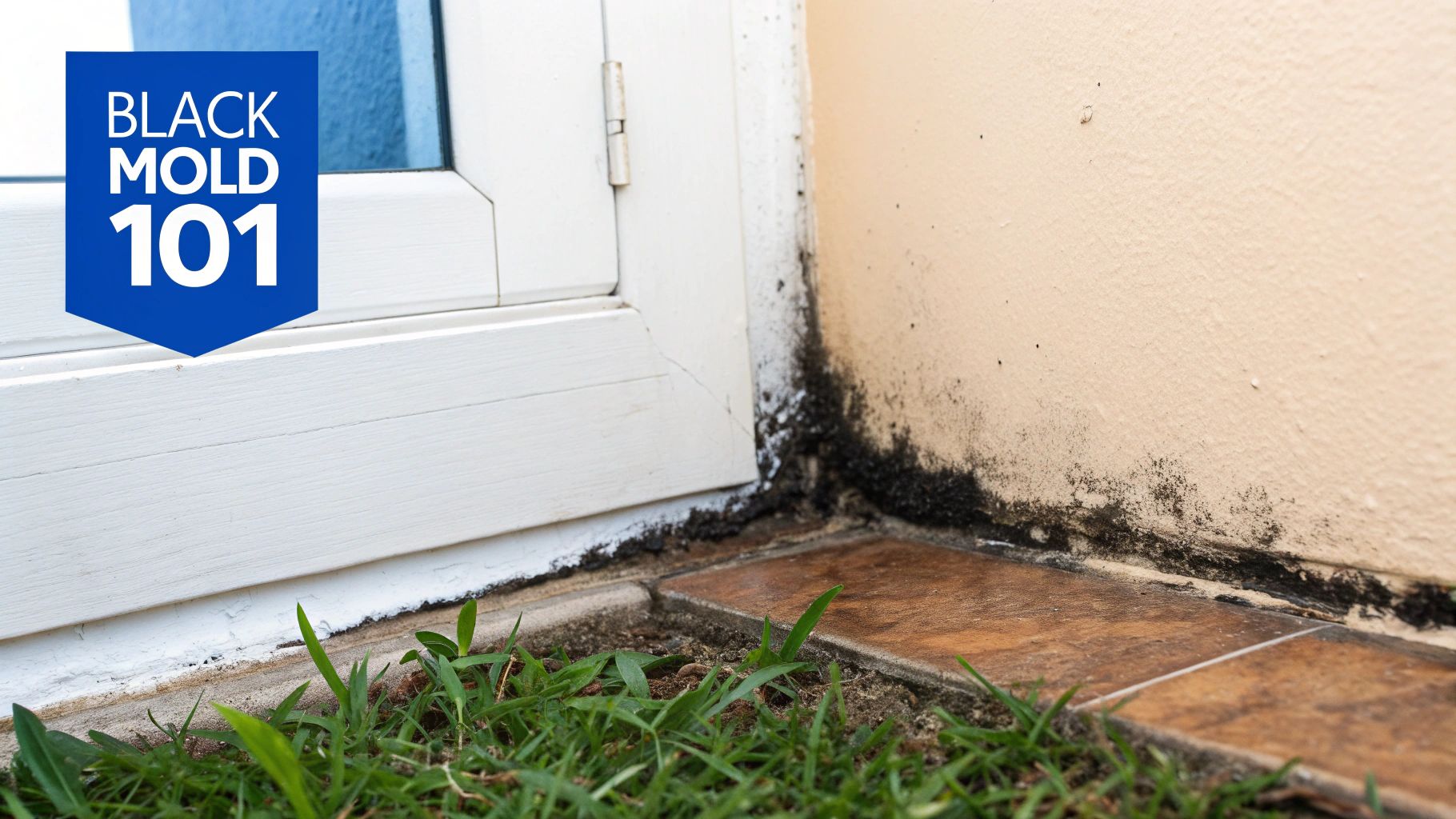
When you hear someone mention "black mold," they're almost always talking about Stachybotrys chartarum. This is a specific type of fungus that absolutely loves damp, water-damaged places.
Think of it as an unwelcome guest that quietly moves into hidden corners of your home—behind drywall, under soggy carpets, or in a basement right after a leak. That signature greenish-black color is a major red flag that you’ve got a moisture problem somewhere.
This mold isn't content to just sit there, either. It releases microscopic spores into the air, and when you breathe them in, your body can have a negative reaction. That’s where the health concerns really start. There’s a direct line between the air quality in your home and your well-being, and mold can seriously disrupt that balance.
How Exposure Leads to Symptoms
Getting exposed is as simple as breathing in or touching mold spores. Once these tiny particles get inside your body, they can trigger an immune response. Just how severe that reaction is depends on a few key things:
- Individual Sensitivity: Some people are just naturally more sensitive to mold. This is especially true for anyone with existing allergies, asthma, or a weakened immune system.
- Concentration of Spores: The more mold you have, the more spores are floating around in the air. A higher concentration makes a reaction much more likely.
- Duration of Exposure: Living or working in a moldy environment for weeks, months, or even years can lead to chronic, long-term health issues.
It's important to remember that any type of indoor mold can cause problems, but Stachybotrys chartarum has a particularly nasty reputation. Under the right conditions, it can produce mycotoxins—toxic compounds that can lead to far more serious health complications.
A tragic cluster of cases in the United States between 1993 and 1998 drew a direct line between black mold and severe respiratory failure in infants. During that time, 37 infants living in water-damaged homes developed pulmonary hemorrhage, and 12 of those cases were fatal. You can learn more about the study on infant health and mold exposure.
Finding the source of the moisture is always the first, most critical step in getting rid of mold for good. A professional assessment is the most reliable way to uncover hidden mold and truly understand how widespread the contamination is. You can get more details by exploring professional mold inspection services that can pinpoint hidden problems and ensure your home's air is safe to breathe. The only way to protect your health is to get to the root of the problem.
Recognizing the Most Common Black Mold Health Symptoms
When black mold starts releasing microscopic spores into your home, your body is often the first to sound the alarm. The tricky part is that these early signals can easily be mistaken for everyday annoyances, like seasonal allergies or a cold you just can't seem to shake.
The problem is, these symptoms tend to stick around. A "cold" that drags on for weeks or allergy-like issues that only flare up indoors are major clues. Learning to spot these common black mold health symptoms is the first step in connecting how you feel with the air you're breathing at home.
The Allergic Response: Your Body's First Line of Defense
For many people, the initial signs of mold exposure feel just like allergies. Think of mold spores as tiny, unwanted guests floating through your air. When you breathe them in, your immune system flags them as a threat and launches an attack, causing inflammation throughout your respiratory tract.
This immune reaction shows up in a few familiar ways:
- Persistent Sneezing and Congestion: You might have a stuffy or runny nose that just won't clear up, even with your usual allergy or cold medicine.
- Itchy, Watery Eyes: Redness and irritation in the eyes are classic signs of an allergic reaction to airborne particles like mold spores.
- Scratchy Throat and Cough: A dry, nagging cough or a constant tickle in your throat can develop as your body tries to get rid of the spores.
A critical tell-tale sign is where these symptoms get worse. If you feel miserable inside but start to feel better after spending time outdoors in the fresh air, your indoor environment is the likely culprit.
Respiratory Issues: From Mild to More Serious
If the exposure continues, what began as a simple allergic reaction can escalate into more serious respiratory trouble. The constant inflammation starts to take a toll on your lungs and airways, leading to very real changes in your breathing.
The link between damp, moldy homes and poor respiratory health is no secret. Black mold exposure is known to significantly increase asthma risks, particularly for children. In fact, of the 21.8 million asthma cases in the United States, an estimated 4.6 million—that’s over 21%—are linked to dampness and mold in homes.
"Mold exposure can cause inflammation anywhere along the respiratory tract. If you have mold allergies or asthma, you may have an even more severe reaction." — Dr. Nicholas Nassikas, Harvard Medical School
Key respiratory symptoms you should never ignore include:
- Wheezing: A high-pitched, whistling sound when you breathe, which is a sign of narrowed airways.
- Shortness of Breath: That frustrating feeling that you can't quite get a full, deep breath, even after minor activity.
- Chest Tightness: A sensation of pressure or squeezing in your chest.
For anyone who already has asthma, mold exposure can be a serious trigger, leading to more frequent and intense attacks. It's not just a minor irritant; it's a direct threat to breathing comfortably and safely.
Skin Irritation and Other Physical Signs
While your lungs are the primary target, black mold health symptoms don't stop there. The irritants released by mold can also impact your skin, especially with direct contact or long-term airborne exposure.
Unexplained skin problems can be another piece of the puzzle. If you've suddenly developed rashes or irritation without changing your soap, laundry detergent, or diet, it's time to consider environmental factors like mold.
Keep an eye out for these signs:
- Skin Rashes: Unexplained red, itchy patches or hives.
- Dry, Scaly Skin: Flaky or irritated skin that doesn't seem to get better with moisturizer.
- General Fatigue: A persistent feeling of being wiped out and lethargic that sleep doesn't fix.
- Headaches: Frequent, unexplained headaches can also be a symptom of ongoing mold exposure.
To help you get a clearer picture, here's a quick-glance table of common symptoms and what they can feel like.
Common Symptoms of Black Mold Exposure
| Symptom Category | Specific Signs to Watch For | How It Typically Feels |
|---|---|---|
| Allergic | Sneezing, stuffy/runny nose, itchy/watery eyes, cough | Like a cold that never ends or allergies that only act up indoors. |
| Respiratory | Wheezing, shortness of breath, chest tightness, asthma flare-ups | As if you can't catch your breath; a heavy or tight feeling in your chest. |
| Skin | Rashes, hives, dry and scaly patches | Itchy, irritated, and uncomfortable skin that appears without an obvious cause. |
| Neurological | Headaches, brain fog, difficulty concentrating, fatigue | Feeling tired all the time, mentally sluggish, or dealing with nagging headaches. |
Paying attention to these physical clues is so important. If you're experiencing a combination of respiratory, allergic, and skin symptoms, it's a strong signal that you need to investigate your home environment. To help you connect these symptoms to potential sources, check out our guide on the 8 critical signs of mold in your house. Recognizing what’s going on early allows you to take action before long-term health complications can set in.
The Neurological Impact of Toxic Mold Exposure

While most people know mold can cause a cough or itchy eyes, many don't realize that some of the most disruptive black mold health symptoms are neurological. It’s a strange and unsettling thought.
When toxic molds like Stachybotrys chartarum take hold, they can release mycotoxins—potent, invisible chemicals that travel through the air right alongside the spores. These toxins are insidious; they can cross the blood-brain barrier and interfere with your nervous system’s delicate communication network.
Think of your brain's neurons as complex wiring, firing off signals that control your thoughts, memory, and mood. Mycotoxins are like static on the line, disrupting those signals and causing a frustrating range of symptoms that are often brushed off as just stress or fatigue.
Understanding this link is critical. That persistent headache or inability to focus might not just be a bad week—it could be a direct response to the air you're breathing at home.
Brain Fog and Cognitive Difficulties
One of the most common complaints we hear about is "brain fog." This isn't just forgetting where you put your keys. It's a heavy mental cloudiness that can make simple, everyday tasks feel like climbing a mountain.
People struggling with mold-related brain fog often say they feel mentally sluggish, like their thoughts are moving through mud. This cognitive slump can show up in several ways:
- Difficulty Concentrating: You find yourself reading the same sentence over and over or losing your train of thought halfway through a story.
- Memory Problems: Short-term memory takes a hit, making it hard to recall recent conversations, appointments, or simple to-do list items.
- Slowed Processing Speed: It can feel like your brain is on a delay, making it tough to keep up in conversations or make decisions on the fly.
This is more than just feeling "off." It's a direct result of neuroinflammation—your brain’s defensive reaction to toxic invaders. This inflammation messes with normal brain function, leading to frustrating cognitive issues that impact your work, relationships, and day-to-day life.
Mood Swings and Emotional Dysregulation
The neurological assault from mycotoxins doesn't stop with your cognitive function; it can also wreak havoc on your emotional stability. Many people with chronic mold exposure report sudden, baffling emotional shifts that feel completely out of character.
Black mold exposure extends beyond physical symptoms to profound neurological and mental health effects, often mistaken for psychiatric conditions. Toxin-producing molds can trigger central nervous system issues including brain fog, depression, anxiety, sleep disorders, and confusion. Unfortunately, many physicians may overlook mold as a cause. Discover more insights about the connection between mold and mental health on AmenClinics.com.
Symptoms to watch out for include:
- Increased Anxiety or Panic: A constant, low-grade sense of dread or sudden, intense panic attacks that seem to come out of nowhere.
- Depression: A persistent feeling of sadness, losing interest in things you used to love, and a general sense of hopelessness.
- Irritability: A short fuse or finding yourself "snapping" at loved ones over minor things.
These emotional rollercoasters happen because mycotoxins can disrupt the production of key neurotransmitters like serotonin and dopamine—the chemicals that keep your mood balanced. When these messengers are thrown off-kilter, your emotional responses can become unpredictable and hard to control.
Other Neurological Symptoms to Recognize
Beyond brain fog and mood swings, toxic mold exposure can trigger a whole cluster of other neurological problems. These physical symptoms are often your body's alarm system, signaling that something is seriously wrong with your environment.
Persistent headaches, especially ones that don’t respond to typical pain relievers, are a major red flag. Some people also experience tingling or numbness in their hands and feet, dizziness, and a new sensitivity to light. These varied signs show just how widespread the damage from mycotoxins can be.
If you’re experiencing a mix of these cognitive, emotional, and physical symptoms, it’s crucial to consider your environment as a potential root cause. The right approach involves both a medical evaluation and a professional assessment of your home. To learn how to identify hidden hazards, explore the benefits of a full house environmental testing service, which can uncover the mold and other contaminants impacting your health.
Who Is Most Vulnerable to Mold Sickness?
Think of mold exposure like sun exposure. Anyone can get burned with enough time under intense rays, but some people are far more sensitive and will react much faster and more severely. The same principle applies to black mold health symptoms.
Not everyone in a moldy home will get sick in the same way. Certain biological factors make some of us far more susceptible. Understanding these vulnerabilities is key to protecting your family, because what might be a minor sniffle for one person could be a serious health threat to another—all from the same environment.
Infants and Young Children
Infants and young children are at the top of the high-risk list for a few critical reasons. Their respiratory systems are still developing, which means their small lungs and airways are more delicate and easily inflamed by inhaled mold spores. They also breathe more rapidly than adults, inhaling a greater volume of air—and potential contaminants—relative to their small body size.
On top of that, their immune systems haven't fully matured yet. Their bodies are simply less equipped to fight off the inflammatory triggers from mold spores and mycotoxins, often leading to more intense reactions.
The Elderly
On the other end of the spectrum, older adults also face a heightened risk. As we age, our immune systems naturally become less robust in a process known as immunosenescence. This decline makes it harder for the body to fend off environmental irritants like mold, which can open the door to respiratory infections and other complications.
Many seniors also manage pre-existing health conditions, like heart or lung disease, which can be dangerously aggravated by the inflammation mold exposure causes.
A review of 19 studies published in Environmental Health Perspectives found a strong link between prolonged mold exposure and increased rates of depression, anxiety, and stress. This highlights the widespread impact on mental well-being across all age groups.
Individuals with Compromised Immune Systems
Anyone with a weakened immune system is exceptionally vulnerable. This group includes people undergoing chemotherapy, those with HIV/AIDS, organ transplant recipients taking immunosuppressant drugs, and individuals with autoimmune disorders.
For these individuals, mold isn't just an irritant; it can be an opportunistic invader. Their bodies lack the standard defenses to fight off fungal spores, which can sometimes lead to serious systemic fungal infections that are incredibly difficult to treat.
People with Pre-Existing Respiratory Conditions
For someone already living with a chronic respiratory illness, walking into a moldy environment is like pouring fuel on a fire. Their airways are already inflamed and hypersensitive, making them prime targets for mold-related complications.
Key groups in this category include:
- Asthmatics: Mold is a well-documented and potent asthma trigger, capable of causing frequent and severe attacks.
- Allergy Sufferers: Anyone with existing mold allergies will likely experience immediate and intense reactions, including severe congestion, coughing, and wheezing.
- Those with COPD: Chronic Obstructive Pulmonary Disease already makes breathing difficult. Adding mold-induced inflammation can lead to a dangerous decline in lung function.
What to Do When You Suspect Mold in Your Home

Connecting the dots between strange, unexplained black mold health symptoms and a potential issue inside your home is a stressful experience. You're not just dealing with feeling unwell; you're also worried about the safety of the very space you’re supposed to relax in. This is the exact moment to pivot from worrying to taking clear, decisive action.
The best approach is a two-pronged one. You need to address your health with a medical expert while simultaneously investigating the health of your home with an environmental expert. Tackling both is the fastest way to get answers, protect your well-being, and get your peace of mind back.
Let's break down the steps for each track.
When to Consult a Doctor About Mold Exposure
Your health always, always comes first. While you might be tempted to downplay mild allergy-like symptoms, certain signs are your body’s way of telling you something is wrong—and you need to listen. Don't wait for things to get worse before getting a professional medical opinion.
You should book an appointment right away if you or anyone in your household is experiencing:
- Persistent Respiratory Issues: We’re talking about a cough that just won’t quit, wheezing, a feeling of tightness in your chest, or shortness of breath that seems to come out of nowhere.
- Worsening Asthma or Allergies: If someone’s pre-existing conditions are flaring up more often or seem more intense when they’re at home, mold is a very common trigger.
- Unexplained Neurological Symptoms: Debilitating brain fog, relentless headaches, dizziness, or sudden mood shifts are serious red flags that demand attention.
- Symptoms in Vulnerable Individuals: Any new or worsening symptoms in babies, young kids, the elderly, or anyone with a compromised immune system should be addressed by a doctor immediately.
When you go to your appointment, be as specific as possible. Clearly describe what you've been feeling and—this is key—mention that you suspect mold in your home. Tell your doctor when the symptoms started and if they seem to get better when you're away from the house for a while. That context is vital for an accurate diagnosis.
Remember, your doctor’s role is to diagnose and treat your health conditions, not to confirm the presence of mold in your home. That requires a different kind of expert—an environmental inspector who can assess your property.
DIY Mold Tests vs Professional Inspection
Once you've got the ball rolling on your health, it’s time to turn your attention to your home. It’s incredibly tempting to run to the hardware store and grab a do-it-yourself mold testing kit. They seem cheap and easy, but frankly, they often create more confusion than clarity.
A DIY kit might tell you that mold spores are present, but that’s not really helpful information. Why? Because mold spores are literally everywhere, inside and out. These kits almost never tell you what kind of mold you have, how concentrated the spores are, or—most importantly—where the moisture source is that’s feeding the growth in the first place.
A professional mold inspection is a completely different ballgame. It’s a systematic, science-based investigation. Certified inspectors bring specialized equipment and years of experience to get to the true root of the problem.
Here’s what a professional assessment delivers that a DIY kit simply can't:
- Source Identification: A pro uses tools like moisture meters and thermal imaging cameras to find hidden water leaks behind walls, under flooring, or in your attic. They find the fuel for the mold fire.
- Accurate Sampling: They collect air and surface samples following strict protocols, which are then analyzed by an accredited laboratory. This identifies the exact mold species and tells you how contaminated your air really is.
- Comprehensive Reporting: You get a detailed, easy-to-understand report that lays out the findings, shows you the extent of the problem on a map of your home, and gives you a clear roadmap for remediation.
Going with a professional takes all the guesswork out of the equation. For a deeper dive, our guide explains more about how to test for toxic mold and why expert analysis is so critical. If you're a resident in Santa Barbara or Ventura, the team here at Pacific Mold Pros can give you a crystal-clear picture of your home’s health and guide you toward a real, lasting solution.
How to Prevent Mold from Coming Back
Once you've gone through the process of removing a mold infestation, the absolute last thing you want is a repeat performance. Winning the battle is one thing; winning the war means being proactive. Preventing mold from returning is all about creating an environment where it simply can’t get a foothold.
Think of it like pulling weeds in a garden. If you just yank the weed but leave the soil perfectly damp and fertile, you know it's coming right back. It's the same with mold. You have to eliminate the conditions it loves—and what it loves most is moisture. This isn't just about protecting your home's structure; it's about keeping your family safe from the return of disruptive black mold health symptoms.
True mold prevention boils down to three key things: controlling moisture, ensuring good ventilation, and staying on top of regular maintenance. Get these right, and you'll make your home a pretty miserable place for mold.
Control Moisture at the Source
Water is the lifeblood of mold. Without it, dormant spores can't wake up and start growing. That’s why the single most powerful thing you can do is hunt down and eliminate unwanted moisture in your home.
This means becoming a detective for leaks and dampness. That tiny, slow drip under the kitchen sink or a minor leak in the roof might seem harmless, but it’s creating the perfect breeding ground for a future mold colony.
Here are the most critical actions to take:
- Fix Leaks Immediately: Don't put off repairing leaky pipes, faucets, or roofing. A small problem today can easily become a massive mold problem tomorrow.
- Manage Humidity Levels: You want your indoor humidity to stay between 30% and 50%. A simple, inexpensive tool called a hygrometer can help you monitor these levels. Investing in a dehumidifier for basements, crawl spaces, or other damp areas is a fantastic move.
- Ensure Proper Drainage: Make sure your gutters are clean and that the ground around your home’s foundation slopes away from the house. This prevents water from pooling and seeping into your basement or crawlspace.
"The number one cause of mold growth is water damage. If you see water, chances are there's mold there as well." – Dr. Nicholas Nassikas, Harvard Medical School
Improve Ventilation and Airflow
Stagnant, humid air is basically a welcome mat for mold. Good ventilation keeps the air moving, helping to dry out damp surfaces and push moisture out of your home before it settles in and causes trouble.
Kitchens and bathrooms are notorious humidity hotspots. Using exhaust fans while cooking or showering (and for a little while after) is non-negotiable. If you don't have fans, just opening a window for 15-20 minutes can make a world of difference.
You can find more practical strategies in our detailed guide on how to prevent mold growth.
Your Top Questions About Black Mold Symptoms, Answered
When you're dealing with a potential mold issue, questions and worries can pile up fast. Let's cut through the noise and get straight to the answers you need about exposure, symptoms, and how to tell if the mold in your home is a serious threat.
How Quickly Do Black Mold Symptoms Show Up After Exposure?
There’s no single timeline, and that’s what makes it so tricky. Think of it like a reaction to pollen—some people start sneezing the second they step outside, while others might not feel a thing for hours. It’s highly individual.
For someone who’s already sensitive, like a person with asthma or severe allergies, a reaction could kick in within just a few hours of being in a moldy space. For others, the symptoms might build up slowly over days or even weeks of steady exposure as their body’s defenses get worn down. It all boils down to a few key factors:
- Spore Concentration: A room with a high concentration of airborne spores is going to trigger a reaction much faster.
- Duration of Exposure: Spending eight hours a day in a contaminated office will hit you harder and faster than just walking through a damp basement once.
- Individual Health: Your personal immune system and overall health play a huge role in how quickly—and how severely—your body responds.
Will Black Mold Symptoms Just Go Away on Their Own?
This is a big one. You might notice that your cough, headaches, or fatigue seem to fade when you're away from home for a while, like on vacation or even just after a long day outdoors. Then, almost as soon as you walk back inside, the symptoms return.
This pattern is a critical clue. While getting away from the source provides temporary relief, it's not a real solution. The only way to get rid of the symptoms for good is to have the mold professionally removed and fix the moisture problem that allowed it to grow in the first place.
Simply airing out a room or avoiding the corner where you see a spot isn't enough. Microscopic mold spores are airborne and will continue to circulate throughout your home. Your health issues will likely stick around—or get worse—until the root cause is completely eliminated.
Is All Black-Colored Mold Toxic?
No, not every mold that looks black is the infamous toxic Stachybotrys chartarum. Plenty of common household molds are dark or blackish in color but don't produce the same dangerous mycotoxins.
But here’s the thing: trying to tell them apart by eye is a dangerous guessing game. Any visible mold growing inside your home—regardless of its color or species—is a clear sign of a moisture problem and a potential health risk. All molds release spores that can trigger allergies and respiratory problems.
Don’t waste time wondering if it’s "the bad kind." Treat any and all indoor mold growth as a problem that needs immediate, professional attention to protect both your property and your family's health.