Selling your home in Santa Barbara or Ventura County is an exciting milestone, but the home inspection can feel like a major hurdle. A surprise discovery of moisture, water damage, or mold can derail negotiations and jeopardize the entire sale. This comprehensive home inspection checklist for sellers is designed to empower you with a proactive, step-by-step plan to get ahead of potential issues.
By addressing the 8 critical areas detailed below, with a special focus on our moisture-prone coastal climate, you can build significant buyer confidence and protect your home's value. We'll guide you through the most common trouble spots that inspectors flag, from damp crawl spaces and poorly ventilated bathrooms to hidden leaks in the attic.
Instead of waiting for an inspector's report to dictate your next steps, this guide gives you the tools to identify and resolve problems on your own terms. We’ll walk you through the essential tasks to ensure your property is primed for a smooth, successful inspection, helping you secure a faster, more profitable sale. Let's get your home ready.
1. Address Visible Moisture and Water Damage
Water intrusion is a primary red flag for home inspectors and a major concern for potential buyers, as it often signals a risk of hidden mold growth. Addressing any visible signs of moisture, leaks, or water damage before your home goes on the market is a critical first step in a successful pre-sale inspection. This proactive approach not only resolves the immediate cosmetic issue but also demonstrates responsible homeownership and mitigates the risk of a sale falling through.
In coastal communities like Santa Barbara and Ventura, where humidity and salt air are constants, homes are particularly susceptible to moisture-related problems. What might seem like a minor stain could indicate a more significant underlying issue, making this a top priority on your home inspection checklist for sellers.
Why It's a Priority
Inspectors are trained to spot the telltale signs of water damage, such as discoloration on ceilings, peeling paint, warped baseboards, or soft spots in drywall. Discovering these issues, especially if they reveal active moisture, can lead to costly repair negotiations or even buyer withdrawal. By remediating problems beforehand, you maintain control over the repair process and costs.
For example, a Goleta homeowner found water damage around their shower. Before listing, they replaced the affected drywall and tile, applied a mold-preventative primer, and documented the repair. This prevented the issue from becoming a contentious point during the buyer's inspection.
Actionable Steps for Sellers
Follow this checklist to identify and address potential water-related issues:
- Inspect Key Areas: With a powerful flashlight, thoroughly check attics, crawl spaces, and under-sink cabinets. Look for stains, condensation, or a musty odor.
- Check Appliances and Systems: Examine the areas around your water heater, HVAC unit, and washing machine for any signs of leaks or moisture.
- Use a Moisture Meter: For a more technical approach, a moisture meter can detect elevated moisture levels in materials like drywall and wood before they become visibly damaged. For a deeper understanding of what to look for, you can learn about the common signs of water damage in walls.
- Document Everything: Keep all receipts and take before-and-after photos of your repairs. This transparency provides buyers with confidence and a clear history of the home's maintenance.
2. Clean and Dehumidify HVAC Systems and Ductwork
An HVAC system is the respiratory system of a home, and inspectors pay close attention to its condition as an indicator of overall maintenance and indoor air quality. Because these systems circulate air, they can easily distribute mold spores, dust, and other contaminants if not properly maintained. Condensation in ducts, clogged drain lines, and dirty filters create the perfect breeding ground for mold, making HVAC hygiene a non-negotiable part of your home inspection checklist for sellers.
In the humid coastal climates of Santa Barbara and Ventura, proactive HVAC maintenance is essential for managing moisture. A clean, well-functioning system demonstrates a commitment to a healthy home environment and prevents air quality concerns from derailing a sale.
Why It's a Priority
Home inspectors will check filters, look for evidence of moisture around the air handler, and may even take air samples to test for elevated spore counts. A poorly maintained HVAC system is a significant red flag for buyers, often leading to requests for professional duct cleaning, system replacement, or even price reductions. Addressing these potential issues beforehand gives you control over the narrative and costs.
For example, a Montecito seller discovered mold growth in their HVAC ducts during a pre-listing inspection. They hired a certified professional for duct cleaning and received documentation of mold-free status, which they presented to the buyer, preventing any negotiation on the issue.
Actionable Steps for Sellers
Use this checklist to ensure your HVAC system is ready for inspection:
- Schedule Professional Servicing: Have a qualified HVAC technician inspect and service your system 2-4 weeks before the home inspection. They can clean coils and ensure the condensate drain line is clear and draining properly.
- Upgrade Air Filters: Replace standard filters with high-quality MERV 11 or higher-rated filters to capture smaller particles like mold spores. Document the date of replacement.
- Manage Indoor Humidity: Set your thermostat to maintain indoor humidity levels below 60%, ideally between 30-50%. You can learn more about effective humidity control in homes to prevent moisture buildup.
- Document Maintenance History: Compile all service records, filter replacement dates, and any professional cleaning certifications. This transparency builds buyer confidence and demonstrates diligent upkeep.
3. Inspect and Seal Attic and Roof Areas
The attic is a frequently overlooked area by homeowners but a primary focus for home inspectors. Issues like roof leaks, poor ventilation, and compromised insulation create a perfect environment for moisture intrusion and mold growth. A thorough attic inspection is a non-negotiable part of your pre-sale preparations, as hidden problems here can quickly derail a promising offer.
In coastal areas like Ventura and Santa Barbara, the marine layer and fluctuating temperatures increase the risk of attic condensation. What appears to be a sound roof from the outside can hide significant moisture damage within the attic, making this a crucial item on any home inspection checklist for sellers.
Why It's a Priority
Inspectors are trained to look for daylight penetrating the roof, stained roof decking, damp or compacted insulation, and signs of poor ventilation. An attic with trapped, moist air is a red flag for potential mold contamination and structural decay. Proactively addressing these vulnerabilities demonstrates meticulous home maintenance and prevents buyers from discovering problems that could lead to significant repair requests or a collapsed sale.
For example, a Carpinteria homeowner noticed staining on their attic's roof decking. Before listing, they hired a contractor to replace the damaged roofing sections, add soffit baffles to improve airflow, and had the attic professionally remediated. This pre-emptive action resulted in a clean pre-sale mold certification, providing full transparency and confidence to the buyer.
Actionable Steps for Sellers
Use this checklist to ensure your attic and roof are ready for inspection:
- Inspect After Rain: The best time to check for active leaks is during or immediately after a heavy rainstorm. Use a bright flashlight to scan the underside of the roof decking for new water stains or drips.
- Check Ventilation: Ensure that soffit, ridge, and gable vents are clear of insulation, debris, or paint. Blocked vents trap heat and moisture, a common problem that can be solved by installing simple baffles. For a deeper dive, you can learn about what causes condensation in attics and how to prevent it.
- Examine Penetrations: Carefully inspect the areas around all roof penetrations like chimneys, plumbing vents, and skylights. Look for gaps in flashing or deteriorated sealant that could allow water entry.
- Assess Insulation: Insulation should be fluffy and evenly distributed, not wet, compacted, or moldy. If insulation is covering your soffit vents, pull it back to restore airflow.
- Document Your Work: Take clear, dated photos before and after any repairs. Keep all receipts from contractors for roofing work, insulation replacement, or mold remediation to share with potential buyers.
4. Inspect and Improve Crawl Space Conditions
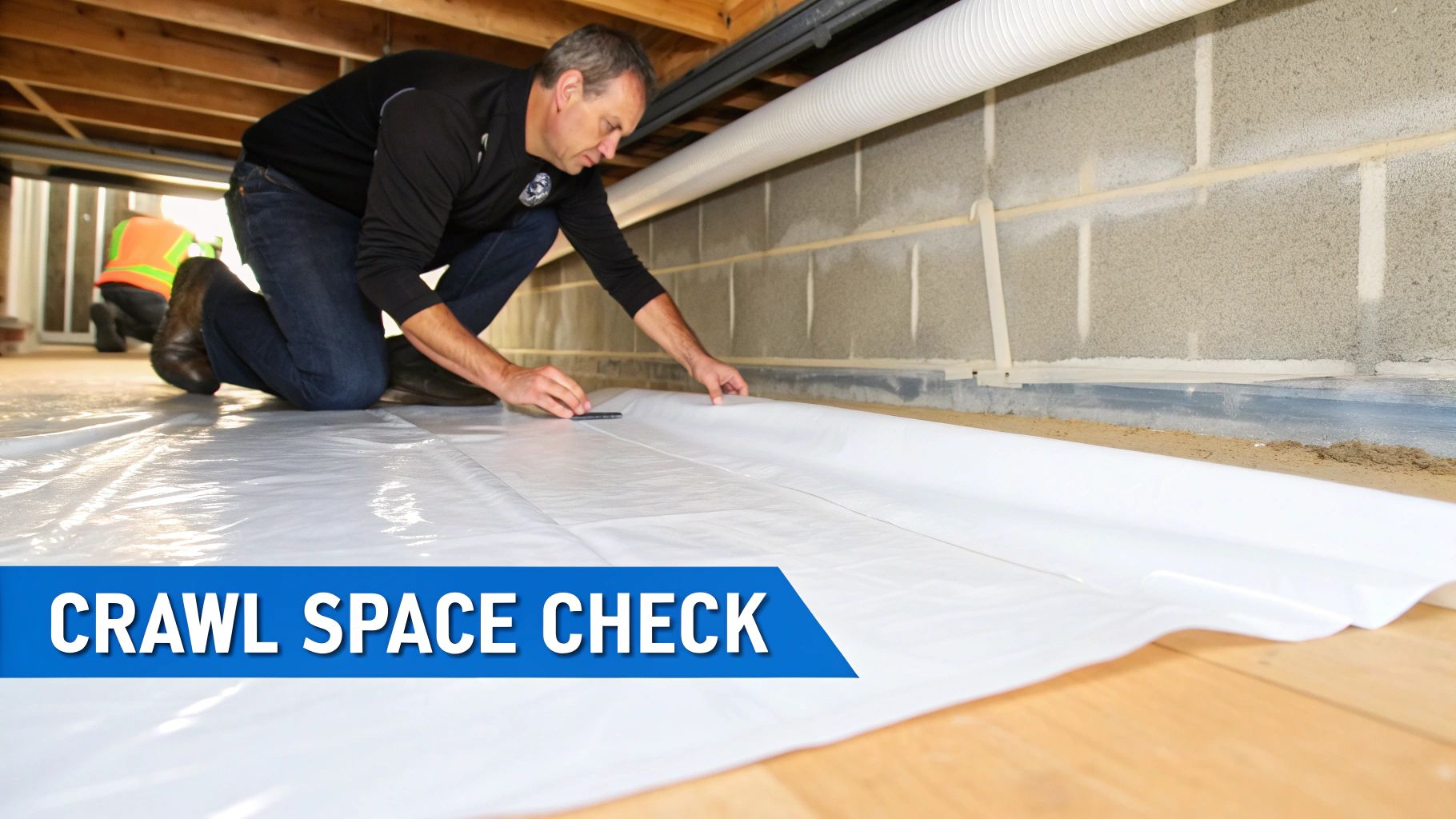
Crawl spaces are ground-level areas beneath homes where soil contact, groundwater seepage, and high humidity often lead to standing water and excessive moisture. Left unaddressed, these conditions create a breeding ground for mold, wood rot, and structural damage—major red flags for buyers and price negotiators. In coastal Santa Barbara and Ventura Counties, high water tables and seasonal rainfall make crawl space inspection a critical item on your home inspection checklist for sellers.
Why It’s a Priority
Inspectors will use moisture meters and visual assessments to identify damp framing, mold colonies, or failing vapor barriers. Discovering crawl space issues during a buyer’s inspection often triggers repair demands or sale delays. For example, a Santa Barbara property with chronic crawl space moisture installed a 6-mil polyethylene vapor barrier, sealed rim joists, and improved exterior drainage. Post-remediation testing by Pacific Mold Pros showed an 80% spore reduction, helping the seller secure full asking price without renegotiation.
Actionable Steps for Sellers
- Access Crawl Space Safely: Wear a respirator, protective clothing, gloves, and use a bright headlamp
- Check for Standing Water: Look for pooling or soggy soil along foundation walls
- Inspect Framing: Search joists, beams, and rim joists for wood rot, discoloration, or mold
- Verify Vapor Barrier: Confirm existing poly sheeting is 6-mil minimum and sealed at seams
- Evaluate Drainage: Ensure gutters, downspouts, and grading direct water at least 4–6 feet from foundation
- Seal Foundation Cracks: Apply moisture-resistant sealant to gaps and deterioration
- Install Sump Pump if Needed: Address chronic water intrusion with a dedicated pump system
- Improve Ventilation: Add vents or mechanical fans to reduce humidity levels
- Hire a Professional: Schedule a crawl space assessment and mold sampling 2–3 weeks before listing
- Consult Moisture Control Standards: Learn more about crawl space moisture control
By proactively inspecting and improving crawl space conditions, you demonstrate responsible maintenance, minimize buyer concerns, and protect your home’s structural integrity.
5. Verify and Repair Bathroom and Kitchen Ventilation
Proper ventilation is your home's primary defense against moisture buildup in the two most problematic areas: bathrooms and kitchens. Inspectors will scrutinize exhaust fans to ensure they not only function but also vent moisture-laden air directly outside, not into an attic or crawl space where it can fuel hidden mold growth. Addressing ventilation issues is a key part of any home inspection checklist for sellers.
In coastal areas like Carpinteria, the persistent humidity means that even a single shower can introduce enough moisture to cause problems if not properly exhausted. Functional, correctly installed ventilation is not just a feature but a necessity for preventing long-term structural and air quality issues.
Why It's a Priority
An inspector who finds a bathroom fan venting into the attic will immediately flag it as a significant defect. This common shortcut in older homes traps humidity, leading to damp insulation, wood rot, and extensive mold. By ensuring your ventilation systems work correctly and terminate outdoors, you prevent a minor issue from becoming a major negotiation point or a deal-breaker.
For example, a Goleta seller discovered during their pre-sale prep that their bathroom fan vented directly into the attic. They hired a contractor to properly reroute the ductwork to the roof exterior and install a damper. This proactive fix, documented with receipts, satisfied the buyer's inspector and demonstrated diligent home maintenance.
Actionable Steps for Sellers
Use this checklist to ensure your home's ventilation is up to par before an inspection:
- Test Fan Function: Turn on each exhaust fan. Listen for unusual noises and feel for suction at the grille. Check the exterior vent to confirm air is being expelled and the damper flap opens freely.
- Inspect Ductwork: In the attic or crawl space, check that ducts are securely connected, free of sags that trap moisture, and made of rigid or semi-rigid material. Ensure ducts in unconditioned spaces are insulated to prevent condensation.
- Upgrade Undersized Fans: Many older fans are not powerful enough. A bathroom fan should have a capacity of at least 60 CFM (cubic feet per minute). Upgrading improves performance and meets modern standards.
- Clean and Maintain: Clean fan grilles and housing to remove dust and potential mold buildup, which can restrict airflow.
- Install Timers: Consider installing a humidity-sensing timer that automatically runs the fan until moisture levels are reduced. This is an attractive feature for buyers and helps to fully prevent mold growth in the bathroom.
- Document Repairs: Keep invoices for any fan upgrades or ductwork repairs to provide transparency and reassurance to potential buyers.
6. Address Foundation and Exterior Drainage Issues
A home inspector's keen eye will immediately turn to the foundation and the surrounding landscape to assess how water behaves around the property. Poor exterior drainage is a primary cause of moisture intrusion into basements, crawl spaces, and foundations, often leading to significant structural damage and hidden mold growth. Ensuring water flows away from your home, not toward it, is a foundational step in preparing for a smooth inspection.
In coastal regions like Montecito and throughout Santa Barbara County, where seasonal heavy rains can saturate the ground, proper drainage management is not just a recommendation; it's essential. A soggy lawn or pooling water against the foundation are major red flags that must be addressed on any comprehensive home inspection checklist for sellers.
Why It's a Priority
Inspectors understand that water is a home's number one enemy. They will meticulously check the grading, gutters, and downspouts. Issues like negative grading (ground sloping toward the house), clogged gutters, or short downspouts can lead to a saturated foundation, hydrostatic pressure, and eventual water leaks. Resolving these issues proactively prevents buyers from uncovering a problem that could jeopardize the sale or lead to expensive repair demands.
For example, a Santa Barbara homeowner with a chronically damp crawl space installed a seamless gutter system and regraded the soil to create a proper slope away from the house. This small investment significantly decreased crawl space moisture levels, eliminating a major inspection concern before the property was even listed.
Actionable Steps for Sellers
Follow this checklist to evaluate and improve your home’s exterior water management:
- Assess the Grade: Visually inspect the ground around your entire foundation. It should slope away from the house with a minimum drop of one inch for every four feet of distance.
- Check Gutters and Downspouts: Ensure gutters are clean and free of debris. Verify that all downspouts are securely attached and extend at least 4 to 6 feet away from the foundation, directing water to a safe discharge point.
- Inspect the Foundation: Carefully look for any cracks, gaps, or deteriorated mortar. Seal small cracks with a concrete crack sealant and consider professional epoxy injections for larger issues.
- Document Your Work: Keep records of any grading work, gutter installation, or foundation sealing. Providing before-and-after photos and receipts demonstrates proactive maintenance and gives buyers peace of mind.
7. Clean, Repair, and Declutter the Home for Professional Inspection Access
An inspector cannot assess what they cannot see. Obstructed access to critical areas like attics, crawl spaces, and mechanical rooms can prevent a thorough evaluation, potentially leading to incomplete reports or the need for a follow-up visit. Ensuring these spaces are clean and accessible demonstrates transparency and allows the inspector to perform their job effectively, from thermal imaging to visual assessments.
In regions like Santa Barbara and Ventura, where crawl spaces and attics are common, years of accumulated storage can hide serious issues. Clearing these areas is a non-negotiable part of any serious home inspection checklist for sellers, as it ensures potential problems are found and addressed on your terms, not during a buyer's due diligence period.
Why It's a Priority
Inspectors are required to note any areas they could not fully inspect due to clutter or safety concerns. This notation on a report can raise a red flag for buyers, creating suspicion and uncertainty. By providing clear access, you facilitate a comprehensive inspection, which builds buyer confidence and prevents delays in the transaction process.
For example, a Carpinteria seller cleared their crawl space of old boxes and furniture before the inspection. This revealed significant, previously hidden mold growth on the rim joists, allowing them to remediate the problem and obtain a certification before the buyer's inspector ever saw it.
Actionable Steps for Sellers
Follow this checklist to prepare your home for full inspection access:
- Prioritize Critical Zones: Focus on clearing attics, crawl spaces, basements, and mechanical rooms at least two to three weeks before the scheduled inspection.
- Ensure Easy Entry: Verify that all access doors, hatches, and panels open freely and are not blocked by furniture or stored items.
- Clear Mechanical Areas: Remove all clutter from around the HVAC unit, water heater, and electrical panel to provide a safe and clear working space for the inspector.
- Light the Way: Ensure all inspection spaces have working light bulbs. If no permanent lighting exists, provide a clear and safe path for the inspector to bring their own.
- Document Your Prep: Take photos of the newly cleared areas. This documentation can be shared with your real estate agent to show buyers that the home is well-maintained and ready for a thorough inspection.
8. Document All Past Water Damage, Repairs, and Maintenance Records
Transparency is your greatest asset when preparing for a home inspection. Compiling a comprehensive file of all past water damage, moisture-related repairs, and routine maintenance provides a clear history of the property. This documentation not only fulfills legal disclosure requirements in California but also builds immense trust with potential buyers and their inspectors.
Presenting a well-organized history of care demonstrates responsible ownership and can preemptively answer questions that might otherwise raise red flags. A thorough maintenance log is a key part of any home inspection checklist for sellers, transforming past issues from liabilities into proof of diligent upkeep.
Why It's a Priority
Home inspectors are tasked with uncovering a home's history and potential problems. When they see evidence of a past repair, their first question is whether it was done correctly. By providing invoices, contractor details, and photos, you give them the answers they need, which often prevents further, more invasive investigation. This documentation protects you from future liability and helps contextualize any findings during the inspection.
For instance, a Montecito seller provided a complete roof inspection report from five years prior, showing the replacement of damaged sections and verification of proper ventilation. The buyer's inspector viewed the roof as a well-maintained asset rather than a potential risk, streamlining the negotiation process.
Actionable Steps for Sellers
Follow this checklist to assemble a complete and professional maintenance history:
- Organize Records: Gather all relevant documents and organize them chronologically in a binder or a dedicated digital folder for easy access.
- Include Contractor Details: For every repair, include the contractor's name, contact information, date of service, and a detailed scope of the work performed.
- Keep All Proof: Retain original receipts, paid invoices, and copies of cleared checks for all maintenance, repairs, and professional services.
- Gather Permits and Certifications: Collect any permits and completion reports for major work, such as roofing or foundation repairs. If you had professional mold remediation, include the final clearance report and contractor certification.
- Document Everything: Take before-and-after photos of any significant repairs you complete. This visual evidence is a powerful tool for demonstrating the quality of the work.
8-Point Sellers Home Inspection Checklist Comparison
| Action | 🔄 Implementation Complexity | ⚡ Resource Requirements | 📊 Expected Outcomes | Ideal Use Cases | ⭐ Key Advantages / 💡 Tips |
|---|---|---|---|---|---|
| Address Visible Moisture and Water Damage | Medium–High; may need professional remediation | Contractors, materials, moisture meters; moderate–high cost | Reduced active leaks/mold risk; improved inspection results | Properties with visible stains, soft drywall, warped wood | ⭐ Prevents failed inspections; 💡 Document repairs with receipts & photos |
| Clean and Dehumidify HVAC Systems and Ductwork | Medium; requires HVAC pros for thorough cleaning | HVAC service, HEPA/MERV filters, possible UV/dehumidifier; moderate cost | Lower airborne spores; improved IAQ and system efficiency | Central HVAC homes in humid/coastal areas | ⭐ Improves air quality; 💡 Replace filters regularly, schedule cleaning 2–4 weeks before inspection |
| Inspect and Seal Attic and Roof Areas | Medium–High; may involve roof repairs and imaging | Roofers, insulation, ventilation upgrades, thermal imaging; variable cost | Prevents attic mold, improves energy performance | Homes with attic access, older roofs, evidence of attic moisture | ⭐ Stops hidden leaks early; 💡 Check vents, use thermal imaging after rain |
| Inspect and Improve Crawl Space Conditions | High; often involves specialized remediation | Moisture mapping, vapor barrier, sump pumps, contractors; high cost | Long-term moisture control; reduced structural rot and mold | Homes with crawl spaces, high water table, poor drainage | ⭐ Protects foundation integrity; 💡 Install 6‑mil vapor barrier and ensure proper grading |
| Verify and Repair Bathroom and Kitchen Ventilation | Low–Medium; mostly straightforward upgrades | New exhaust fans, duct reroute/insulation, possible electrical work; low–moderate cost | Lower localized humidity; prevents hidden wall/ceiling mold | Bathrooms/kitchens venting improperly or to attics/crawl spaces | ⭐ High impact for low cost; 💡 Use humidity sensors and vent to exterior |
| Address Foundation and Exterior Drainage Issues | Medium–High; may need grading or drainage systems | Grading work, gutters/downspouts, French drain, contractors; moderate–high cost | Prevents water intrusion into foundation/crawlspaces; reduces long-term risk | Sloped or low-lying lots, properties with pooling water | ⭐ Controls source moisture; 💡 Ensure downspouts extend 4–6 ft and slope away from house |
| Clean, Repair, and Declutter for Inspection Access | Low; mainly homeowner effort | Time, labor, possible short-term storage rental; low cost | Faster, more thorough inspection; better documentation | Any pre-sale property needing unobstructed access | ⭐ Enables complete assessment; 💡 Declutter 2–3 weeks before inspection, document cleared areas |
| Document All Past Water Damage and Repairs | Low–Medium; administrative task | Time to gather invoices, permits, photos; minimal cost | Increased transparency; protects seller and aids inspector context | Homes with any prior water/mold history or repairs | ⭐ Builds buyer trust and reduces liability; 💡 Organize records chronologically with contractor contacts |
Secure Your Sale with a Professional Pre-Sale Inspection
Navigating this comprehensive home inspection checklist for sellers is a significant investment of time and effort, but it's one that pays substantial dividends. By meticulously addressing potential issues room by room, from the attic's integrity to the crawl space's ventilation, you've moved beyond basic staging. You have proactively fortified your home against the scrutiny of a buyer's inspector, transforming potential liabilities into demonstrable assets.
This checklist has guided you through the most critical areas where moisture and neglect can hide, such as HVAC systems, bathroom ventilation, and exterior drainage. Compiling your documentation, from past repair invoices to maintenance logs, further strengthens your position. It builds a narrative of a well-maintained property, fostering trust and transparency from the very first showing. This proactive approach minimizes surprises, shortens negotiation timelines, and ultimately protects your home's value.
From Diligent Seller to Confident Negotiator
The true power of this preparation lies in the confidence it gives you. When a buyer's inspection report comes back, you won't be caught off guard by unexpected red flags. Instead, you will be prepared, informed, and ready to discuss the home's condition from a position of knowledge. This preparation can be the deciding factor between a smooth, profitable transaction and a deal that falls apart over preventable issues.
Think of it this way: every item you've checked off this list is another step toward a faster, more secure sale. You are not just cleaning and repairing; you are actively managing risk and showcasing your property's best features.
The Final Step for Absolute Peace of Mind
Even with the most thorough self-inspection, certain issues, particularly hidden moisture or nascent mold growth, can remain undetectable without specialized equipment. This is where professional validation becomes your most powerful closing tool. For homeowners in Santa Barbara and Ventura Counties, where coastal humidity can be a persistent challenge, a professional pre-sale mold inspection offers the ultimate assurance.
At Pacific Mold Pros, we specialize in equipping sellers with the confidence they need. Our certified inspectors utilize advanced technology like thermal imaging and moisture meters to uncover what the naked eye cannot see. A detailed report from a trusted third party, or even a Mold-Free Certification, provides buyers with undeniable proof of your home's health and integrity. This documentation can set your property apart in a competitive market, justifying your asking price and giving buyers the confidence to make a strong offer. Don't let a hidden issue jeopardize your hard work. Take the final step to secure your sale and ensure a seamless closing day.