Purchasing a home, especially in the unique coastal climates of Santa Barbara and Ventura Counties, is a significant investment. A standard home inspection provides a good overview, but true peace of mind comes from knowing how to look deeper. The difference between a dream home and a financial nightmare often hides in plain sight, or just out of view in an attic, crawl space, or HVAC system.
This guide provides actionable home inspection tips for buyers, focusing on the critical, often-overlooked details that protect your health and your wallet. We move beyond the basics, equipping you with the knowledge to actively participate in your inspection, ask the right questions, and identify potential moisture and mold issues that generic checklists miss. By understanding what to look for, from the subtle signs of water intrusion to the importance of certified lab testing, you can confidently navigate the buying process.
Our comprehensive list will cover specific areas of concern, such as:
- Prioritizing moisture detection and mold inspection in key areas like HVAC systems, crawl spaces, and attics.
- Assessing ventilation in high-moisture zones like bathrooms and kitchens.
- Understanding coastal-specific challenges like salt air and wind-driven rain.
- Navigating the remediation process, from pre-sale inspections to post-remediation clearance.
Ultimately, this checklist is designed to help you negotiate effectively and ensure your new home is a safe, healthy sanctuary from day one. You'll learn how to transform a standard walk-through into a detailed investigation, giving you a clear picture of the property's true condition.
1. Prioritize Moisture Detection and Mold Inspection During Pre-Purchase Inspections
For home buyers in coastal regions like Santa Barbara and Ventura Counties, a standard home inspection is just the starting point. One of the most critical home inspection tips for buyers is to add a specialized moisture and mold inspection to your pre-purchase due diligence. These focused assessments go beyond a basic visual check to uncover hidden water intrusion, condensation issues, and the early stages of mold growth that can lurk behind walls, in crawl spaces, or within HVAC systems.
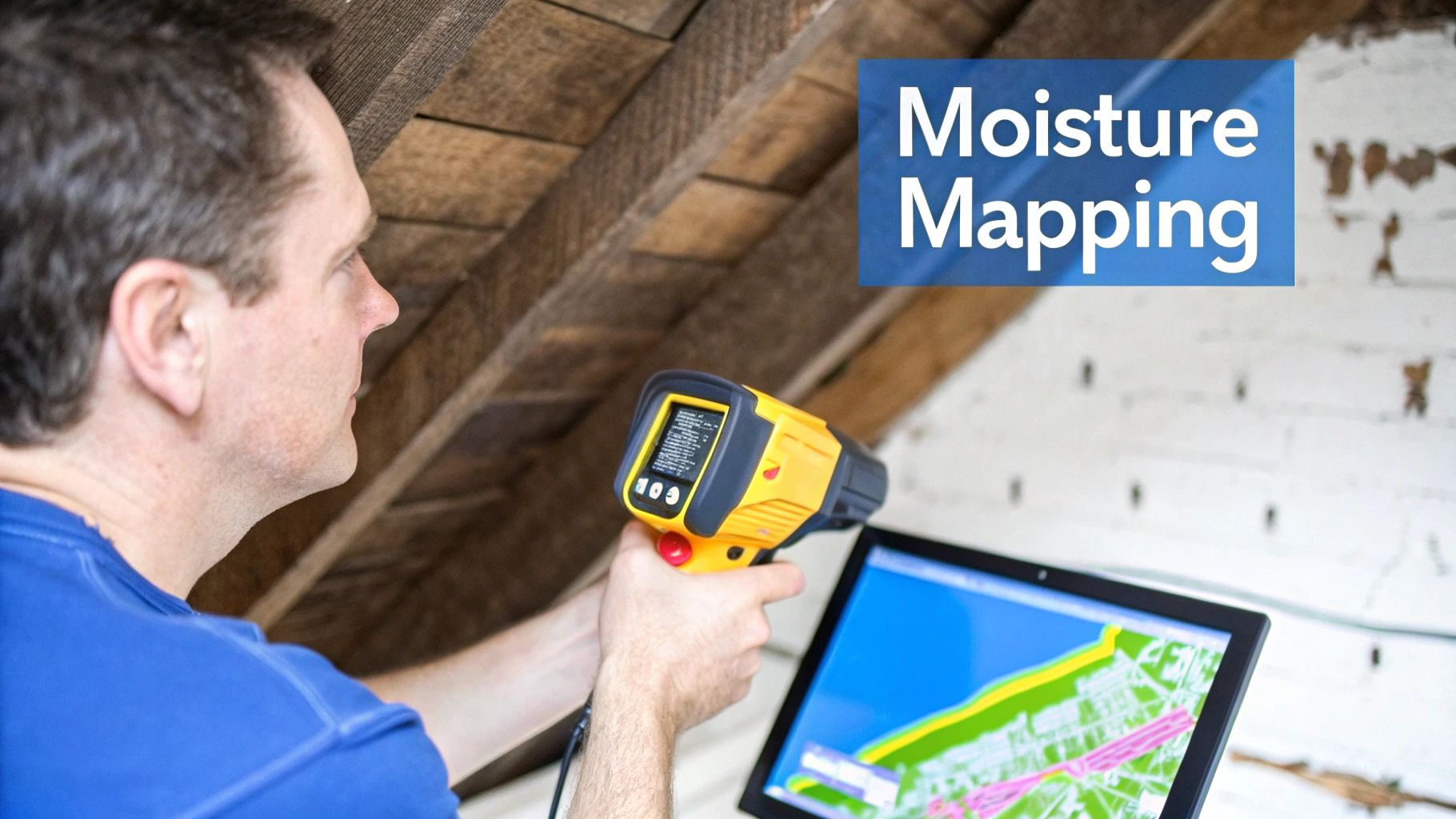
The persistent humidity and salt-laden air in coastal communities accelerate moisture-related problems. Certified inspectors, like those at Pacific Mold Pros, utilize advanced tools such as thermal imaging cameras and moisture meters to create a detailed "moisture map" of the property. This technology reveals temperature anomalies and moisture pockets that are invisible to the naked eye, identifying potential issues before they become significant health hazards or require costly remediation.
Why This Inspection is Crucial
A proactive mold inspection can save you thousands in future repairs. For example, a pre-purchase inspection on a Montecito property might uncover a damp crawl space that requires a simple vapor barrier installation, preventing widespread mold growth down the line. Similarly, a Goleta home buyer could identify a minor condensation issue in an HVAC unit, a fix that avoids a full system replacement later. This specialized inspection provides the leverage needed to negotiate repairs or a price reduction with the seller, ensuring you don't inherit an expensive and unhealthy problem.
Actionable Steps for Buyers
To implement this crucial inspection, follow these steps:
- Schedule Simultaneously: Book your mold and moisture inspection for the same day as your general home inspection to streamline the process.
- Demand Lab Analysis: Insist on certified laboratory analysis for any collected samples. A visual assessment alone is not sufficient to confirm the type and severity of mold.
- Focus on Coastal Risks: Ask your inspector to pay special attention to areas vulnerable to salt air and humidity, such as attics, window seals, and exterior walls facing the ocean.
- Get a Detailed Report: Ensure the final report includes photographs, moisture readings, thermal images, and clear, actionable recommendations for remediation.
- Use Results to Negotiate: Leverage the findings to request that the seller cover repair costs or adjust the sale price before closing the deal.
2. Check HVAC Systems and Air Return Pathways for Mold Growth
A home’s heating, ventilation, and air conditioning (HVAC) system is its respiratory system, circulating air throughout every room. Another crucial home inspection tips for buyers is to thoroughly inspect this system, as it can become a primary distributor of mold spores. During an inspection, professionals should examine furnaces, air handlers, ductwork, and return air vents for any signs of visible mold, musty odors, or discoloration, paying close attention to condensation control and proper drainage.
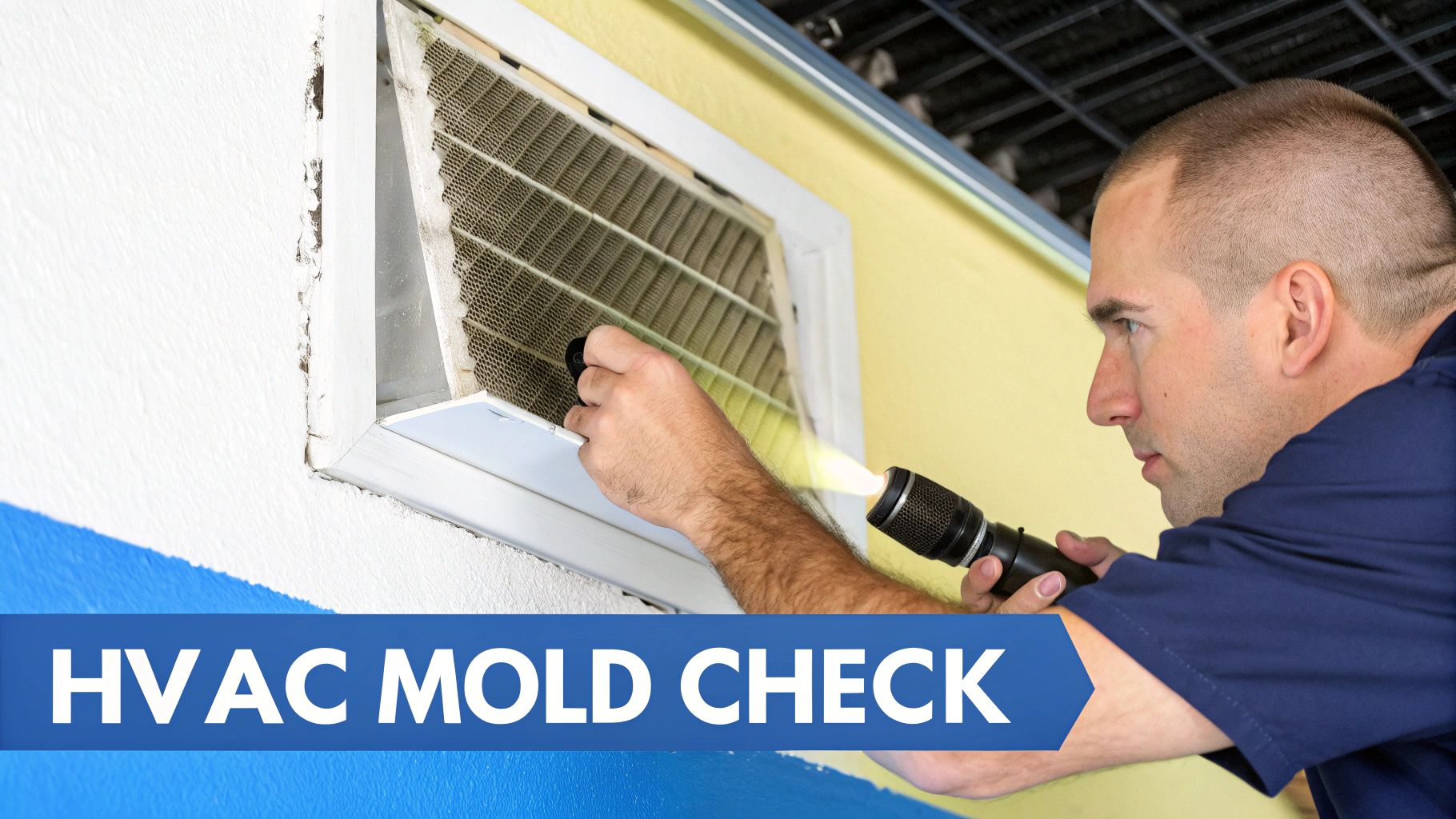
In coastal climates like Santa Barbara and Ventura Counties, high humidity and salt-laden air put HVAC systems at greater risk. The persistent moisture can overwhelm condensation pans and drains, creating the perfect damp, dark environment for mold to flourish on evaporator coils and inside ductwork. Once established, the system efficiently spreads these allergens and toxins, compromising the entire home's indoor air quality.
Why This Inspection is Crucial
Focusing on the HVAC system can prevent you from buying a home with a hidden, whole-house contamination problem. For instance, a buyer in Carpinteria might discover significant mold growth on the AC evaporator coils, a common issue in high-humidity areas that requires professional cleaning. In a Santa Barbara property, a specialized inspection could reveal a clogged condensation line that has caused hidden moisture damage and mold in the attic around the air handler. Identifying this allows you to request remediation before closing, avoiding both health risks and expensive future repairs.
Actionable Steps for Buyers
To ensure the HVAC system is not a source of contamination, follow these specific actions:
- Request Detailed Photos: Ask the inspector to provide clear photographs of internal HVAC components, like coils and the blower fan, if they are accessible.
- Focus on Drainage: Inquire specifically about the condition of the condensation line and drain pan, ensuring they are clear and functioning correctly to prevent overflows.
- Consider Air Sampling: Ask your inspector if air samples taken near HVAC returns are necessary to measure spore counts and confirm if the system is distributing contaminants.
- Review Maintenance History: Inquire about the previous owner's filter replacement schedule and any recent HVAC maintenance or repairs.
- Get Remediation Quotes: If any mold is found, obtain detailed quotes for professional HVAC cleaning and remediation to use during negotiations.
3. Inspect Crawl Spaces and Foundation Areas for Water Intrusion
Often overlooked, the crawl space and foundation are critical zones where significant moisture problems begin. One of the most important home inspection tips for buyers is to demand a thorough evaluation of these subterranean areas. A comprehensive inspection goes beyond a quick look, focusing on signs of water intrusion like standing water, damp soil, efflorescence (white, powdery mineral deposits on concrete), and inadequate vapor barriers that fail to prevent ground moisture from seeping into the home's structure.
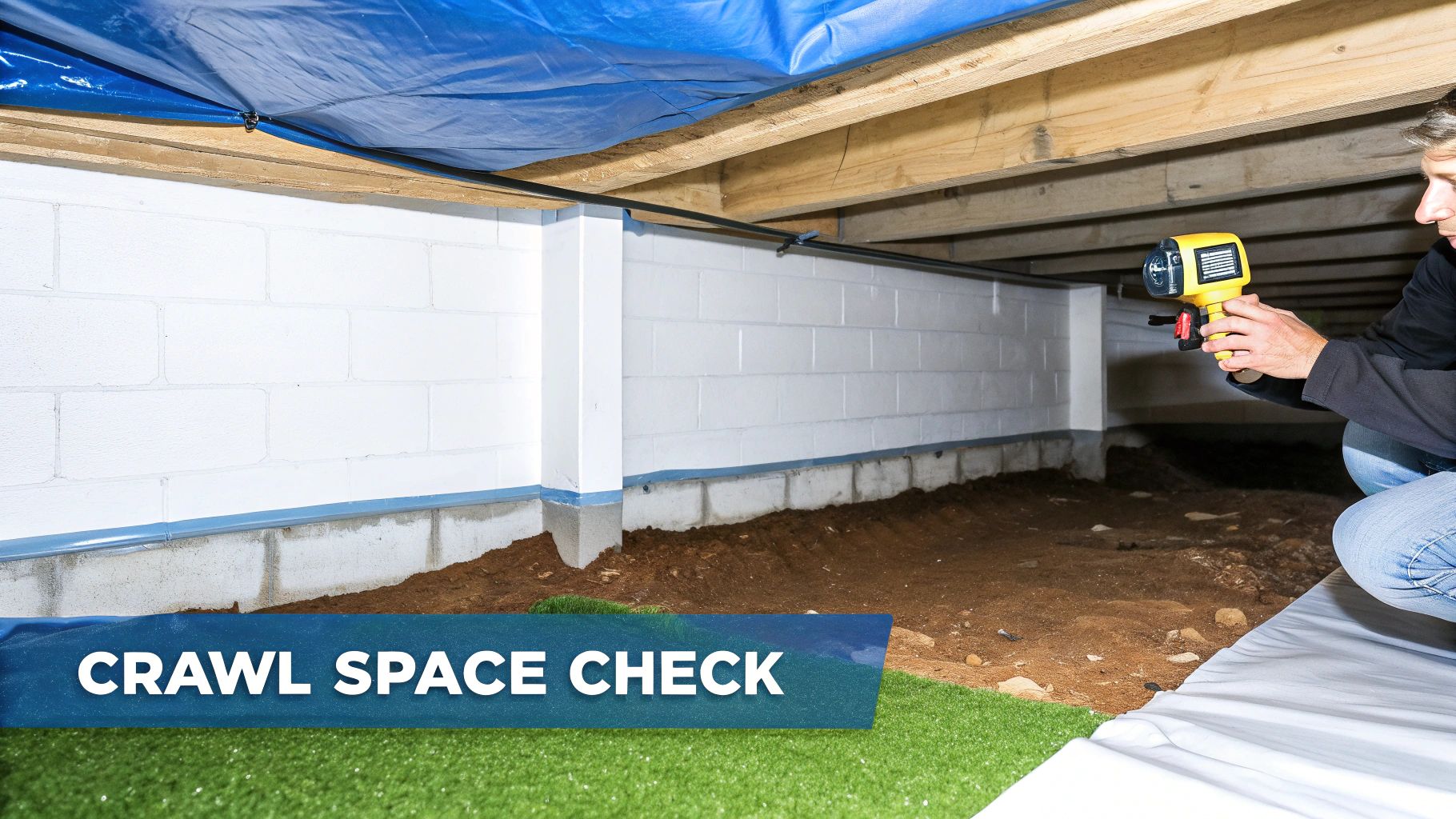
In coastal areas like Santa Barbara and Ventura, crawl spaces are particularly vulnerable to elevated moisture due to high water tables and drainage challenges. A certified inspector from a company like Pacific Mold Pros will use specialized tools to assess these hidden areas properly. They employ moisture meters to take precise readings at multiple points and may use thermal imaging to detect hidden moisture pockets behind insulation or within foundation walls, revealing issues that a simple visual check would miss.
Why This Inspection is Crucial
A compromised crawl space can lead to severe structural damage, pest infestations, and widespread mold that affects your home's indoor air quality. For instance, a pre-purchase inspection on a Montecito property could uncover rising groundwater that requires a sump pump installation to prevent foundational rot. Similarly, a Goleta home buyer might discover a failed vapor barrier has allowed moisture and mold to colonize the subfloor, a costly problem to remediate. Identifying these issues early provides powerful leverage for negotiating repairs or a price adjustment.
Actionable Steps for Buyers
To ensure your foundation and crawl space are properly assessed, follow these steps:
- Insist on Full Access: Ensure the inspector can and will access the entire crawl space, not just the entry point.
- Request Quantitative Data: Ask for specific moisture meter readings from the soil, foundation walls, and wooden support structures, not just a visual opinion.
- Document Everything: Demand clear photographs of any water stains, efflorescence, visible mold growth, or damaged vapor barriers found during the inspection.
- Evaluate Exterior Grading: Inquire about the property's exterior grading and whether it effectively directs rainwater away from the foundation.
- Develop a Moisture Plan: If issues are found, get a detailed moisture management plan with cost estimates for solutions like sump pumps, dehumidifiers, or encapsulation before closing.
4. Examine Attics for Roof Leaks, Ventilation Problems, and Mold
While often out of sight, the attic is a critical battleground for moisture and a key area to focus on during a home inspection. A crucial home inspection tips for buyers is to ensure a thorough attic assessment is performed, as this space often reveals the earliest signs of roof leaks, poor ventilation, and resulting mold growth. Problems in the attic can directly impact the structural integrity of the home and the quality of the air you breathe.
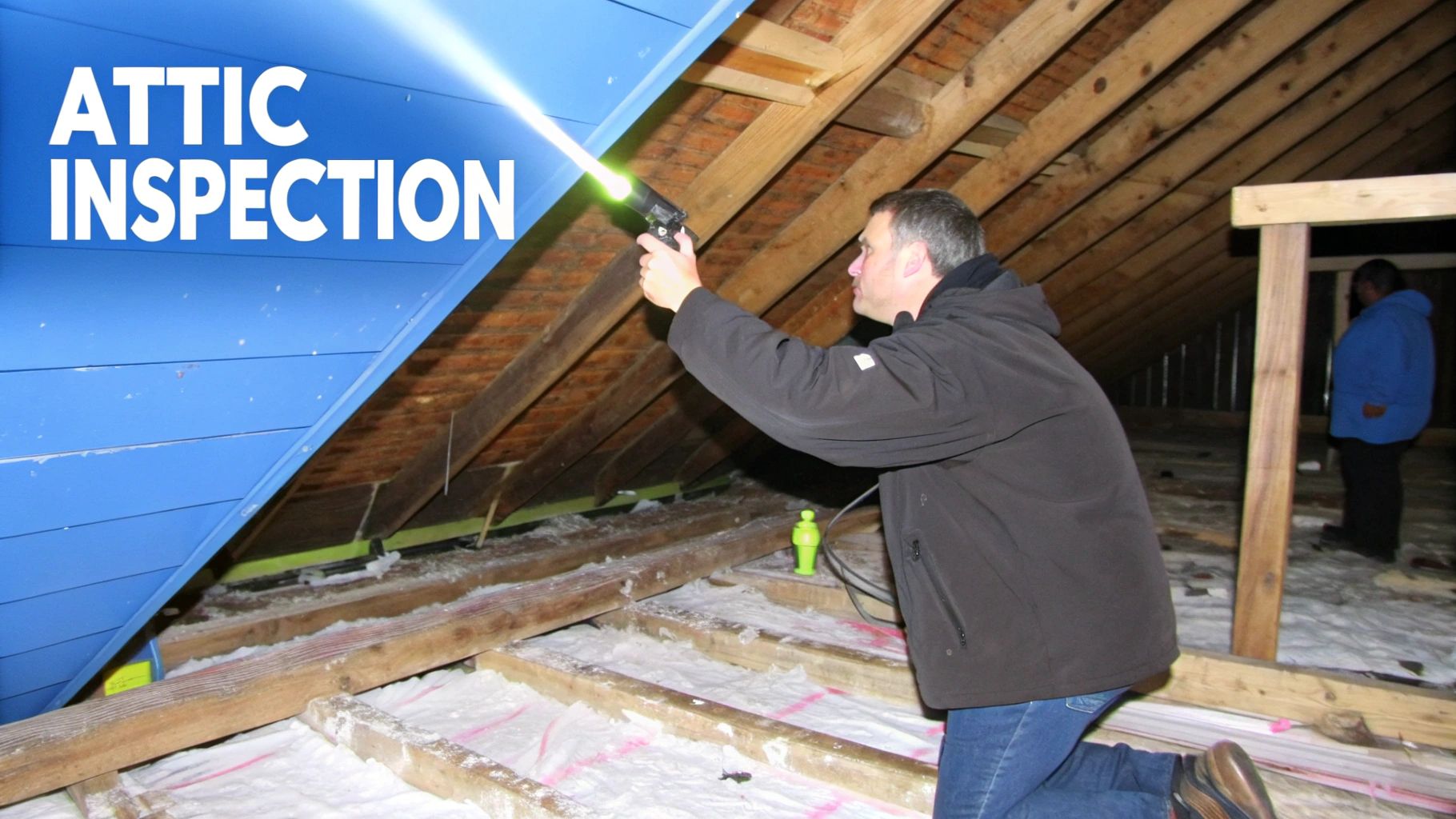
Inspectors should be looking for more than just cobwebs; they need to identify water stains on roof decking, evidence of leaks around chimneys or vent pipes, and signs of condensation. In coastal communities like Carpinteria, inadequate soffit ventilation can trap humid air, leading to widespread condensation and attic mold. Similarly, older Santa Barbara homes may have corroded metal flashing around roof penetrations, creating direct pathways for water intrusion during rainstorms.
Why This Inspection is Crucial
A detailed attic inspection protects you from inheriting hidden, expensive problems. Uncovering a small roof leak or blocked soffit vents during the inspection process can lead to a simple, low-cost repair. If left undiscovered, these minor issues can escalate into major structural damage, saturated insulation, and extensive mold contamination that requires thousands of dollars in remediation. Identifying these issues provides powerful leverage for negotiating repairs or a price adjustment with the seller, ensuring the home is safe and sound before you close.
Actionable Steps for Buyers
To ensure your attic inspection is comprehensive, take these steps:
- Request Thermal Imaging: Ask for a thermal imaging scan of the attic to pinpoint hidden moisture in insulation or roof decking that isn't visible to the naked eye.
- Check All Penetrations: Make sure the inspector closely examines all roof penetrations, including vents, chimneys, and skylights, as these are common failure points.
- Verify Ventilation: Ask the inspector to confirm that the soffit and ridge vent systems are clear, functional, and meet local building codes for the climate zone.
- Consider Air Sampling: If there are visual signs or musty odors, request that air samples be taken to compare attic mold spore levels to the outdoors.
- Get a Detailed Report: Ensure the final report includes photos of any issues, notes on ventilation adequacy, and clear recommendations for necessary repairs or improvements.
5. Assess Bathroom and Kitchen Moisture Control and Ventilation
Kitchens and bathrooms are primary sources of indoor moisture, making them hotspots for potential mold growth if not properly managed. A key home inspection tip for buyers is to thoroughly evaluate the moisture control and ventilation systems in these critical areas. This involves more than just turning on a fan; it requires a detailed assessment of how effectively the home removes moisture-laden air to prevent water damage and microbial growth behind walls, under cabinets, and within fixtures.
Proper ventilation is not a luxury, especially in the humid coastal climates of Santa Barbara and Ventura. Inspectors should verify that exhaust fans are not only present but are adequately sized and, most importantly, vent directly to the exterior of the home. A common defect found in older properties is a bathroom fan that vents into the attic, which simply relocates the moisture problem and creates an ideal environment for attic mold.
Why This Inspection is Crucial
Inadequate ventilation can lead to severe and costly issues that are often hidden from plain sight. For example, a pre-purchase inspection on a Santa Barbara home might reveal an exhaust fan that terminates in the attic, causing extensive mold growth on the underside of the roof sheathing. In another scenario, a buyer in Montecito could discover that a weak kitchen exhaust system has allowed grease and moisture to accumulate behind cabinets, fostering mold that requires partial kitchen demolition to remediate. Identifying these issues before closing allows you to negotiate for repairs or a credit from the seller.
Actionable Steps for Buyers
To ensure these high-risk areas are properly inspected, take the following steps:
- Verify External Venting: Ask your inspector to physically trace the ductwork for all bathroom and kitchen exhaust fans to confirm they terminate outside the home, not in an attic or crawl space.
- Check for Water Damage: Instruct the inspector to use a moisture meter to check for hidden moisture under all sinks, around toilets and tubs, and behind appliances like dishwashers and refrigerators.
- Inspect Seals and Grout: Pay close attention to the condition of caulking and grout around showers, tubs, and sinks. Corroded or cracked seals are common entry points for water intrusion behind tile.
- Request a Fan Test: Ask the inspector to run exhaust fans to assess their power and noise level. An effective fan should be able to hold a piece of toilet paper against the grille.
- Get a Recommendations List: Ensure the final report includes a specific list of any recommended repairs, such as re-caulking fixtures, sealing grout, or upgrading underpowered ventilation fans.
6. Review Historical Moisture and Water Damage Records
A physical inspection reveals a property's current condition, but its history tells the rest of the story. One of the most insightful home inspection tips for buyers is to dig into the property's past by requesting all records of previous water intrusion, flooding, plumbing leaks, and roof repairs. This due diligence goes beyond what an inspector can see, providing crucial context to determine if a visible issue is a one-time fix or a symptom of a chronic problem.
Sellers are required by California law to disclose known material facts, but reviewing the actual documents, such as insurance claims, repair invoices, and contractor communications, offers a more complete picture. This historical data, when combined with your inspector's on-site findings, helps you understand the property's long-term resilience to moisture, especially in vulnerable coastal areas like Santa Barbara and Ventura.
Why This Inspection is Crucial
Uncovering a property's moisture history can prevent you from buying into a recurring nightmare. For instance, a buyer in Carpinteria might discover multiple roof repair invoices over several years, indicating a persistent leak that was patched but never truly solved. Similarly, records for a Montecito home might reveal water damage repairs following the 2018 debris flow, prompting your inspector to pay extra attention to the foundation and lower-level walls for any lingering effects. This historical context provides powerful leverage for negotiating repairs or walking away from a high-risk property.
Actionable Steps for Buyers
To effectively investigate a home's water damage history, follow these steps:
- Request Complete Disclosures: Formally request the seller's complete disclosure of any past water damage, including dates, causes, and remediation efforts.
- Ask for All Documentation: Insist on seeing copies of all repair invoices, contractor work orders, and relevant insurance claim paperwork.
- Cross-Reference with Permits: Check with the local Santa Barbara or Ventura County building department to see if permits were pulled for the claimed repairs, ensuring the work was done to code.
- Investigate Insurance History: Ask your agent to help you research the property's insurance claim history through a C.L.U.E. (Comprehensive Loss Underwriting Exchange) report if available.
- Inform Your Inspector: Provide all collected documents to your home inspector and moisture specialist at Pacific Mold Pros so they can focus their investigation on previously affected areas.
7. Investigate Pre-Sale Inspections, Remediation, and Clearance Certifications
While this listicle focuses on home inspection tips for buyers, one of the most powerful strategies is to understand the seller's pre-listing preparations. Proactive sellers in Santa Barbara and Ventura Counties are increasingly conducting their own pre-sale mold inspections. This process involves identifying and remediating any moisture or mold issues before the property is listed, then verifying the work's success with independent, post-remediation clearance testing.
This diligence often culminates in a "Mold-Free Certification," a document that provides buyers with verifiable proof that a known issue was professionally addressed. Seeing this certification in a listing is a significant advantage, as it signals a transparent and well-maintained property, potentially saving you from uncovering a major issue during your own inspection period.
Why This Pre-Listing Work Matters to Buyers
A property marketed with a Mold-Free Certification often translates to a smoother, faster transaction. For example, some Santa Barbara properties with this documentation have commanded price premiums and attracted more competitive offers. Similarly, a Montecito home with pre-sale crawl space remediation, verified by third-party air testing, can close with fewer inspection-related contingencies and delays. This proactive approach by the seller builds immense buyer confidence and reduces the likelihood of last-minute negotiation battles over mold problems.
Actionable Steps for Buyers
When you encounter a property with pre-listing remediation, take these steps to validate the work:
- Request All Documentation: Ask the seller for the initial inspection report, the remediation company's scope of work, and, most importantly, the post-remediation clearance report.
- Verify Third-Party Testing: Ensure the clearance testing was performed by an independent third-party company, not the remediation contractor who did the work. This prevents a conflict of interest.
- Check the Clearance Standards: Confirm the clearance report references industry standards, like those from the IICRC, to ensure the property was tested against established benchmarks for a healthy indoor environment.
- Use as a Positive Indicator: View this proactive disclosure as a strong positive. It indicates a seller who has invested in the property's health and integrity, reducing your risk.
- Still Conduct Your Own Inspection: While a certification is excellent, it doesn't replace your own due diligence. Your general home inspector should still review the property to confirm its overall condition.
8. Request Certified Laboratory Analysis, Not Just Visual Assessment
A visual check for mold is not enough. One of the most critical home inspection tips for buyers is to insist on certified laboratory analysis of air and surface samples for a truly objective assessment. While an inspector might see discoloration, only a lab can identify the specific mold species and determine the concentration of airborne spores, providing scientific data to guide your decisions.
Inspectors collect air and surface samples from key areas and send them to an accredited third-party laboratory. This process definitively answers whether a potential issue is harmful, benign, or indicative of a larger, hidden contamination problem. This scientific validation is crucial for understanding health risks, planning effective remediation, and strengthening your position during real estate negotiations.
Why This Inspection is Crucial
Objective data from a lab removes all guesswork. For instance, a pre-purchase inspection on a Santa Barbara home might reveal elevated Aspergillus/Penicillium counts in air samples, pointing to a hidden leak behind a wall that a visual inspection missed. Similarly, a surface sample from a damp crawl space in a Ventura property could identify Stachybotrys (black mold), a finding that immediately escalates the need for professional remediation and provides powerful leverage for negotiating repair costs with the seller.
Actionable Steps for Buyers
To ensure you get accurate, defensible data, follow these steps:
- Request Multiple Samples: Ask the inspector to take air samples from at least three locations: the primary living area, a high-risk area (like a basement or bathroom), and an outdoor control sample for baseline comparison.
- Target Suspicious Areas: If there are visible stains or musty odors, request direct surface sampling from those specific locations.
- Verify Lab Credentials: Confirm that the samples will be sent to an AIHA-accredited or state-certified laboratory. This ensures the results meet industry standards for accuracy.
- Get a Detailed Report: The final report should not just list numbers. It must include a clear interpretation of the findings, identify the mold species, explain potential health implications, and provide professional recommendations.
- Use Data to Negotiate: Armed with a certified lab report, you can confidently request specific remediation actions or a price reduction backed by scientific evidence.
9. Evaluate Coastal-Specific Moisture Challenges (Salt Air, Wind-Driven Rain)
For properties along the coast in Santa Barbara and Ventura Counties, a standard inspection isn't enough. A crucial home inspection tips for buyers is to specifically evaluate the unique challenges posed by the marine environment, such as salt air corrosion and wind-driven rain. This specialized focus assesses how the constant exposure to salt spray and high humidity impacts a home's structural integrity, from metal components to window seals and exterior cladding.
The relentless marine layer carries salt that corrodes metal, while strong coastal storms can force wind-driven rain past standard weatherproofing. Inspectors with expertise in coastal conditions, like the team at Pacific Mold Pros, will scrutinize areas vulnerable to these specific threats. They look for early signs of rust on HVAC units, corrosion on structural connectors, efflorescence on masonry caused by salt crystallization, and subtle water intrusion around windows and doors facing the ocean.
Why This Inspection is Crucial
Ignoring these coastal factors can lead to rapid and costly deterioration. For instance, an inspection of an oceanfront home in Montecito might reveal that the steel roofing and fasteners are severely corroded, requiring a full replacement far sooner than expected. Similarly, a buyer in Carpinteria could discover that wind-driven rain has penetrated improperly sealed windows, creating hidden moisture and mold within wall cavities. Identifying these issues provides critical negotiating power and a clear picture of future maintenance costs.
Actionable Steps for Buyers
To address these coastal-specific risks during your inspection, follow these steps:
- Hire a Coastal Expert: Specifically ask potential inspectors about their experience with coastal California properties and the associated moisture challenges.
- Request a Salt Air Corrosion Check: Ask the inspector to meticulously examine all exterior metal components, including roofing, flashing, HVAC units, and structural hardware, for signs of salt-induced corrosion.
- Assess Wind-Driven Rain Risk: Discuss the property’s orientation and exposure to prevailing winds and ask for a detailed assessment of windows, doors, and vents for potential water penetration points.
- Evaluate Exterior Materials: Inquire about the suitability of the siding, paint, and sealants for a high-salt, high-humidity environment.
- Get a Coastal Maintenance Plan: Ask for specific recommendations for coastal-specific upkeep, such as more frequent washing of exterior surfaces or a schedule for sealant replacement.
10. Work with Local Real Estate Agents and Inspectors Experienced in Mold Assessment
Navigating the complexities of a real estate transaction requires a knowledgeable team, and a crucial home inspection tip for buyers is to assemble a group of local professionals experienced in coastal California's unique moisture and mold challenges. Your real estate agent and home inspector should be your first line of defense, possessing a deep understanding of regional issues, disclosure laws, and the potential impact of mold on a property's value and safety.
Experienced local agents, particularly those in Santa Barbara and Ventura Counties, recognize the high stakes of undisclosed moisture problems. They proactively recommend specialized mold inspections and collaborate with trusted experts like Pacific Mold Pros to ensure their clients are fully informed. A seasoned inspector will either have advanced training in mold assessment or will immediately suggest bringing in a specialist when they spot red flags, rather than glossing over potential issues. This collaborative, expert-led approach streamlines the due diligence process and protects your investment.
Why This Team is Crucial
Aligning with local experts ensures a smoother, more secure transaction. An agent familiar with remediation costs can help you negotiate effectively, while an inspector who understands regional building practices can pinpoint vulnerabilities specific to coastal construction. For instance, a Carpinteria agent might facilitate a transaction that includes a Mold-Free Certification from a local specialist, providing peace of mind and protecting future resale value. This coordinated effort between agent, inspector, and mold specialist expedites discovery, negotiation, and resolution, preventing costly surprises after closing.
Actionable Steps for Buyers
To build your expert team, follow these best practices:
- Vet Your Agent: Ask potential real estate agents about their experience with properties that had moisture issues and how they handled mold-related disclosures.
- Question Your Inspector: Inquire about your home inspector’s credentials and specific experience with mold assessment. Ask to see a sample report to understand their level of detail.
- Seek Specialist Referrals: Request referrals from your agent or inspector for trusted, certified mold specialists in the Santa Barbara or Ventura area.
- Coordinate Inspections: Schedule your general home inspection and specialized mold inspection for the same day to save time and facilitate direct communication between the professionals on-site.
- Use Findings for Negotiation: Leverage the comprehensive reports from your expert team to negotiate repairs, remediation costs, or a price adjustment with the seller.
10-Point Moisture & Mold Inspection Comparison
| Item | 🔄 Implementation Complexity | ⚡ Resource Requirements | ⭐ Expected Outcomes | 📊 Ideal Use Cases | 💡 Key Advantages / Tips |
|---|---|---|---|---|---|
| Prioritize Moisture Detection and Mold Inspection During Pre-Purchase Inspections | Moderate — requires certified inspectors and coordinated scheduling | Thermal imaging, moisture mapping, air/surface sampling, lab fees | Detect hidden moisture/mold; lab-backed reports and negotiation leverage | Pre-purchase in coastal/high-humidity homes | Early detection protects health and finances; schedule with standard inspection and request lab analysis |
| Check HVAC Systems and Air Return Pathways for Mold Growth | Moderate — duct access and possible equipment disassembly | Visual inspection tools, duct access equipment, possible HVAC cleaning services | Identify source of spore circulation; improve whole-home air quality | Homes with central HVAC, musty odors, allergy sensitivity | Prevents whole-house contamination; request photos and air samples near returns |
| Inspect Crawl Spaces and Foundation Areas for Water Intrusion | Moderate–High — confined access; may need contractors | Moisture meters, thermal imaging, sump pump checks, vapor barrier inspection | Locate moisture sources to prevent structural/mold damage | Older homes, poor grading, known groundwater/drainage risk | Protects foundation and resale; require multiple moisture readings and photos |
| Examine Attics for Roof Leaks, Ventilation Problems, and Mold | Moderate — requires attic access and thermal imaging | Visual inspection, thermal camera, ventilation assessment | Detect leaks and ventilation faults; prevent upper-level contamination | Homes with older roofs, visible stains, or poor attic ventilation | Catch roof problems early; request thermal imaging and ventilation adequacy report |
| Assess Bathroom and Kitchen Moisture Control and Ventilation | Low–Moderate — mostly functional and visual checks | Moisture meter, exhaust fan/deduction testing, duct tracing | Identify fixable ventilation/plumbing issues and hidden moisture | High-use bathrooms/kitchens or remodelled areas | Cost-effective fixes prevent hidden damage; verify exhaust vents terminate outside |
| Review Historical Moisture and Water Damage Records | Low — document gathering and verification | Seller disclosures, insurance claims, repair invoices, permit searches | Distinguish chronic vs. isolated issues; inform risk and negotiation | Any pre-purchase with unclear history or prior events | Provides context for inspections; cross-check records with permits and inspector focus |
| Pre-Sale Inspection, Remediation and Post-Remediation Clearance | High — coordinated remediation and independent testing | Full inspection, remediation contractors, clearance sampling, lab certification | Verified mold-free certification; smoother sales and reduced contingencies | Sellers who want to market clean, reduce buyer objections | Boosts marketability and lowers liability; schedule 4–6 weeks before listing and use independent lab |
| Request Certified Laboratory Analysis, Not Just Visual Assessment | Moderate — requires proper sampling protocol and lab coordination | Air/surface samples, AIHA/state-accredited lab, sample shipping and analysis fees | Objective species/level data; defensible for health/insurance/legal uses | Suspected hidden contamination, dispute, or remediation verification | Scientific validation is gold standard; include outdoor control and multiple indoor locations |
| Evaluate Coastal-Specific Moisture Challenges (Salt Air, Wind-Driven Rain) | Moderate–High — needs coastal expertise and material evaluation | Corrosion assessment, humidity analysis, wind-driven rain risk evaluation | Identify coastal-specific deterioration and maintenance needs | Oceanfront/coastal properties exposed to salt spray and wind-driven rain | Informs realistic maintenance costs; request inspector with local coastal experience |
| Work with Local Real Estate Agents and Inspectors Experienced in Mold Assessment | Low — selection and coordination of professionals | Local referrals, coordinated scheduling, established contractor networks | Faster, region-aware inspections and smoother transactions | All coastal property transactions needing local expertise | Local knowledge and rapid availability reduce risk; get referrals and coordinate inspections same day |
Turning Your Inspection Report into a Confident Home Purchase
Navigating the home buying process, especially in the unique coastal environments of Santa Barbara and Ventura, can feel like a high-stakes endeavor. The home inspection, however, is your single most powerful tool for shifting the balance of knowledge in your favor. It’s not about finding a flawless property; it’s about understanding the full story of the home you intend to purchase, including its history, its strengths, and its potential vulnerabilities. By applying the detailed home inspection tips for buyers outlined in this guide, you move beyond a simple checklist and adopt the mindset of a proactive, informed investor. You are now equipped to look beyond the surface and identify the critical signs of moisture intrusion, potential mold growth, and system inefficiencies that others might overlook.
Key Takeaways for an Empowered Purchase
Remember, the information you gather during the inspection is your leverage. It's the foundation upon which you'll build your negotiations and your future as a homeowner.
- Moisture is the Primary Adversary: From the crawl space to the attic, the common thread in most significant home issues is unwanted water. Prioritizing moisture detection, especially in our coastal climate, is the most critical aspect of your inspection.
- Systems Tell a Story: The HVAC, plumbing, and ventilation systems are the home's vital organs. Their condition provides a clear window into the property's overall maintenance and potential hidden problems like mold circulating through air ducts.
- Documentation is Your Advocate: A detailed inspection report, complete with photos, thermal imaging data, and certified lab results, is not just a summary. It is a legal and negotiating document that validates your requests and protects your interests.
Expert Insight: The goal of a comprehensive home inspection isn't to derail the sale. It's to ensure the transaction is transparent and fair for all parties. A seller who has addressed known issues and a buyer who understands the property's condition are the ingredients for a successful, long-term homeownership experience.
From Inspection Findings to Actionable Next Steps
Once the inspector delivers the report, your work truly begins. This document is not the end of the line; it’s your roadmap for what comes next.
- Categorize and Prioritize: Group the findings into three categories: major safety/structural concerns (foundation cracks, electrical hazards, significant mold), major repair/replacement needs (aging roof, failing HVAC), and minor maintenance items (leaky faucets, cosmetic fixes). This helps focus your negotiations.
- Obtain Professional Quotes: For significant issues, don't rely on ballpark estimates. Bring in licensed contractors to provide written quotes for repairs or remediation. This gives you concrete numbers to work with when you approach the seller.
- Negotiate with Confidence: Armed with your detailed report and professional quotes, you can confidently request repairs, a price reduction, or seller credits to cover the cost of the work. This is a standard part of the process, and a well-documented request is much more likely to be met with a positive response.
Ultimately, mastering these home inspection tips for buyers is about more than just checking boxes. It’s about securing peace of mind. It’s about ensuring the home you're buying is a safe, healthy, and sound investment for you and your family. By being present, asking informed questions, and partnering with local experts who understand the specific challenges of coastal California homes, you transform a potentially stressful requirement into your greatest asset. You are not just buying a house; you are making a confident, well-informed decision that will set the stage for years of happy memories. You now have the knowledge to inspect with purpose and purchase with power.