When you hear the term “biological contaminant,” it might sound like something straight out of a science fiction movie. But in reality, it's a simple concept: these are any living organisms, or the stuff they leave behind, that can make you sick.
Think of them as the ultimate uninvited guests. We're talking about mold, bacteria, viruses, and dust mites that quietly move in, compromise your home’s air quality, and put your family’s well-being at risk.
Understanding the Uninvited Guests in Your Home

These microscopic intruders are the real reason behind that stubborn musty smell in the basement or those allergy flare-ups that seem to get worse the moment you walk indoors. They thrive in one key condition: moisture.
Even a tiny, slow leak under the kitchen sink, a bathroom that never seems to dry out, or the naturally damp coastal air we get here in Santa Barbara can create a five-star resort for these contaminants to grow and multiply.
Common Types of Household Biological Contaminants
To give you a clearer picture, here’s a quick rundown of the most common culprits we find in homes, where they hide, and the trouble they can cause.
| Contaminant Type | Common Sources | Potential Health Effects |
|---|---|---|
| Mold & Mildew | Damp basements, leaky pipes, bathrooms, HVAC systems, attics | Allergic reactions, asthma attacks, respiratory infections, headaches |
| Bacteria | Standing water, humidifiers, HVAC drain pans, pets, soil | Infections (e.g., Legionnaires' disease), digestive issues, allergies |
| Viruses | Airborne droplets from infected individuals, contaminated surfaces | Colds, flu, COVID-19, and other respiratory illnesses |
| Dust Mites | Bedding, carpets, upholstered furniture, stuffed toys | Allergies, asthma, skin rashes |
| Pet Dander | Cats, dogs, rodents, and other animals with fur or feathers | Allergic reactions, sneezing, itchy eyes, respiratory issues |
| Pollen | Brought in from outdoors on clothing, pets, or through open windows | Seasonal allergies (hay fever), sinus irritation, asthma symptoms |
This isn't meant to be an exhaustive list, but it covers the main offenders that can turn your home from a sanctuary into a source of health problems.
Where Do They Come From?
Biological contaminants are masters of infiltration—they have countless ways of getting into your home, often completely unnoticed.
- Through the Air: Tiny mold spores are a natural part of our outdoor environment. They easily drift inside through open windows, doors, or get sucked right into your HVAC system.
- Hitching a Ride: They can be carried in on your clothes, the bottom of your shoes, or even your pet's fur after a walk in the park.
- Existing Moisture: Any spot in your home with excess water—from a plumbing leak to simple condensation on window sills—is an open invitation for them to settle in and start a family.
This is why we talk so much about mold, especially in coastal areas like Santa Barbara and Ventura Counties. Its spores are always looking for a damp, dark place to land, making leaky roofs and humid HVAC systems prime real estate. If you want to dive deeper, you can learn about the different types of mold found in homes.
These organisms aren't just a nuisance; they actively degrade your indoor air quality and can pose significant health risks. If left unchecked, their presence can turn your safe haven into a source of chronic health issues.
By recognizing the signs and understanding the sources, you can start taking proactive steps to protect your property and your family from these hidden threats.
The Hidden Health Risks and Who Is Most Vulnerable
Often, the first sign of a biological contaminant isn’t a visible stain on the wall—it’s that nagging cough that won’t go away, the persistent headaches, or a general feeling of fatigue you just can’t shake. These mysterious health issues can be your body’s alarm system, signaling that your indoor environment is compromised.
These aren't just minor annoyances. They’re your body's response to an invisible threat lurking in the air you breathe every day.
While many contaminants simply trigger allergic reactions, some pose a far more serious danger. The real concern revolves around certain types of mold that produce toxic compounds.
The Dangers of Mycotoxins
Unlike common allergens that just make you sneeze or get itchy eyes, mycotoxins are legitimately toxic substances produced by specific molds like Aspergillus and Fusarium. These microscopic toxins can easily become airborne, get inhaled, and lead to much more severe health problems.
Exposure can cause anything from chronic respiratory infections to neurological symptoms. The effects aren't just allergic; they're toxicological, meaning they can directly poison your body's systems over time. This is a critical distinction to make when you're figuring out the real risk to your family.
Beyond visible mold, biological contaminants include mycotoxins—toxic compounds that can contaminate indoor air and pose significant health risks, especially in humid climates like California's coast. Discover more about the escalating global risk of mycotoxins and their impact on vulnerable populations.
Identifying At-Risk Individuals
While anyone can feel the effects of poor indoor air quality, some people are far more susceptible. Their bodies are less equipped to fight off these invaders, which can turn even minor exposure into a major health crisis.
The most vulnerable populations include:
- Children and Infants: Their immune and respiratory systems are still developing, making them incredibly sensitive to airborne toxins and allergens.
- The Elderly: As we age, our immune systems naturally weaken, leaving seniors more prone to infections and respiratory distress caused by poor air quality.
- Individuals with Compromised Immune Systems: Anyone with conditions like HIV/AIDS, undergoing chemotherapy, or who has had an organ transplant faces a much higher risk of severe infections.
- People with Existing Respiratory Conditions: For someone with asthma, COPD, or even just chronic allergies, exposure can trigger severe attacks and a serious decline in lung function.
Your home should be a safe haven, but for these individuals, a biological contaminant can turn it into the primary source of their health struggles. Understanding these risks is the first step toward creating a healthier living space. You can learn more about the specific health effects of household mold in our detailed guide. In places like Santa Barbara, where the damp coastal air is a constant, protecting these vulnerable family members becomes even more critical.
How Contaminants Invade and Thrive in Your Home
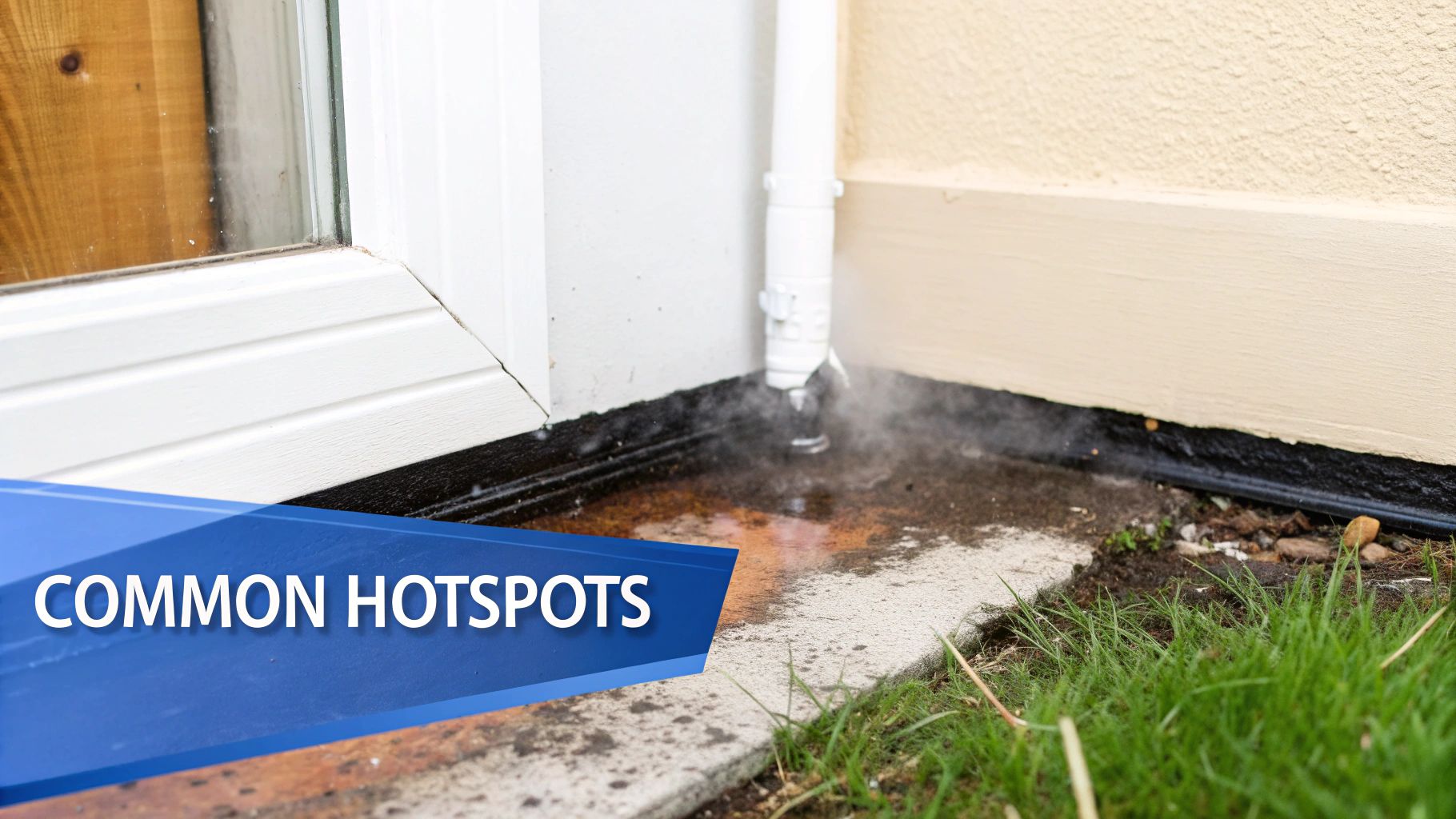
Biological contaminants don’t just materialize out of thin air. They're masters of infiltration, constantly looking for a way into your home. Think of mold spores as microscopic hitchhikers—they can drift through an open window, get sucked into your HVAC system, or even catch a ride on your dog's fur.
Once inside, they begin a patient search for one thing: moisture. Without water, most of these contaminants can’t grow, reproduce, or get a foothold. This is why a simple problem, like a minor leak or a stuffy bathroom, can quickly snowball into a major contamination issue, turning your safe space into a breeding ground.
Knowing where these organisms love to hide is the first step in stopping them. Certain spots in every home are like magnets for moisture, creating the perfect environment for contaminants to flourish.
Common Contaminant Hotspots
These "hotspots" are usually tucked away out of sight. This allows problems to grow unnoticed until you catch a whiff of a musty odor or start experiencing confusing health symptoms.
Here are the most common places we find them:
- Damp Basements and Crawl Spaces: These areas are notoriously dark and damp, often with terrible air circulation. Condensation forms on the cool concrete walls, providing a steady source of water for mold and bacteria to feast on stored boxes and structural wood.
- Poorly Ventilated Bathrooms: Every shower fills the room with steam. If you don't have a powerful exhaust fan—and use it every time—that moisture settles on walls, ceilings, and behind tiles. It’s the perfect recipe for mildew and more stubborn types of mold.
- Hidden Plumbing Leaks: That slow, quiet drip from a pipe under the sink or behind a wall can go undetected for months. This constant water supply soaks into drywall and insulation, creating an ideal, hidden habitat for a massive mold colony to grow completely out of view.
- Neglected HVAC Systems: Your heating and cooling system can become a superhighway for contaminants. When condensation builds up in drain pans or inside ductwork, it cultivates mold and bacteria. Then, every time the system kicks on, it blows those spores throughout your entire house.
Recognizing these high-risk zones allows you to think like an inspector. A minor sign of moisture isn't just a cleanup task; it's a warning sign that a much larger, unseen biological contaminant problem could be developing.
The only way to win the battle is to attack the root cause: the moisture. Especially here in coastal communities like Santa Barbara and Ventura, where high humidity is a constant factor, staying vigilant about these hotspots is your best defense. Each of these locations provides the perfect trifecta of moisture, a food source (like wood or drywall), and darkness.
Uncovering an Invisible Threat with Professional Testing
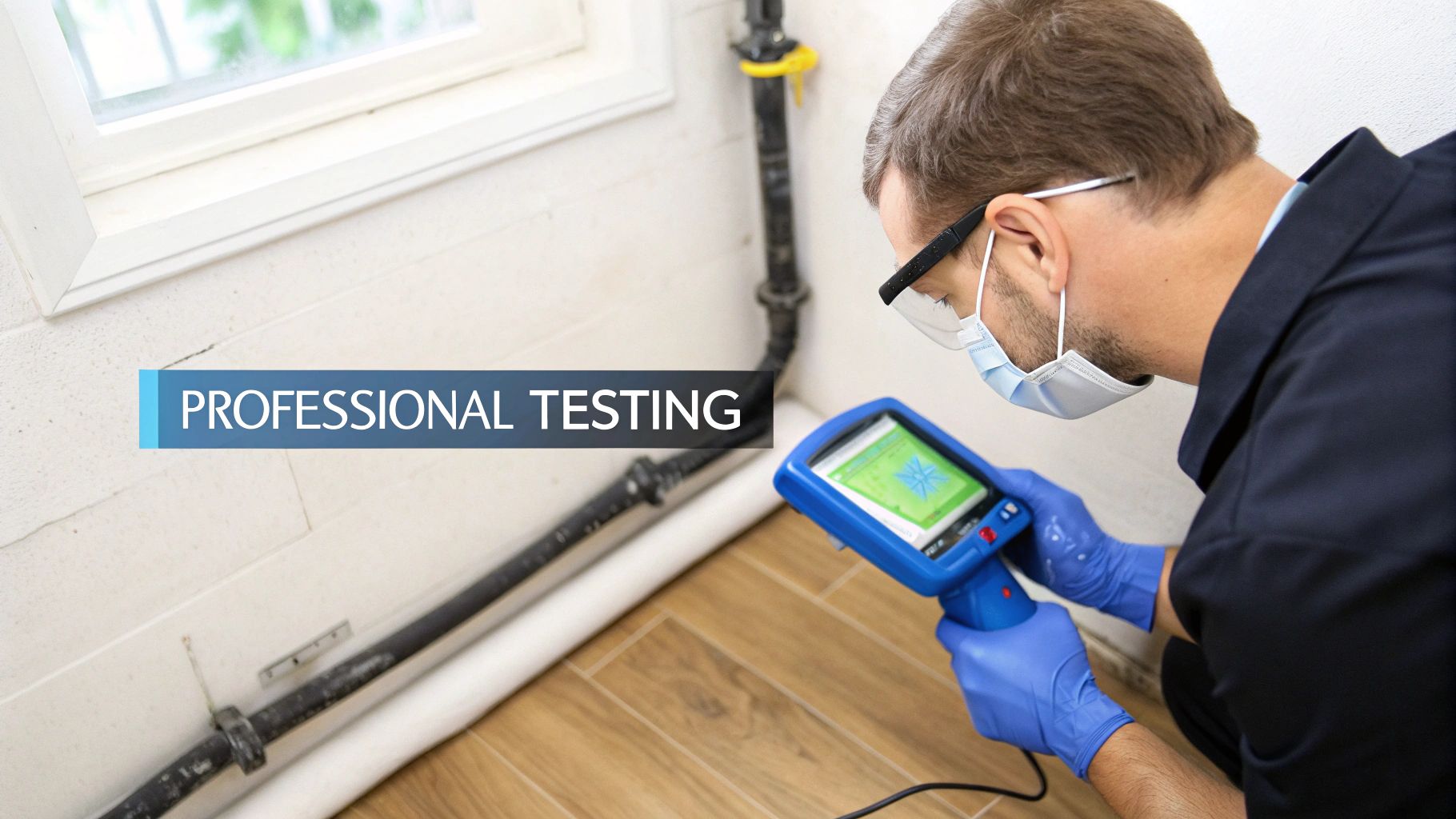
Since biological contaminants are often invisible, how can you be sure they’re what’s causing issues in your home? Suspecting a problem is one thing, but confirming it takes a scientific approach. This is where professional testing becomes a game-changer, moving you from guesswork to a clear, evidence-based plan of action.
A certified inspector doesn’t just walk through looking for obvious mold. They’re more like a detective, using specialized equipment and methods to piece together the full story of your home's indoor environment. The process is methodical, designed to find not just the contamination itself, but the hidden water source that’s feeding it.
The Initial Investigation: Visual Assessment and Moisture Mapping
Every inspection starts with a thorough visual check. An expert knows the subtle red flags of hidden trouble—things like faint discoloration on drywall, peeling paint near baseboards, or slightly warped wood. These clues are breadcrumbs leading toward potential moisture intrusion, which is the root cause of nearly all biological growth.
After the visual sweep, the inspector breaks out advanced tools to find the moisture you can't see.
- Moisture Meters are used to get a direct reading of the moisture content inside building materials like drywall, wood studs, and insulation. This confirms if an area is currently damp, even if it feels dry to the touch.
- Thermal Imaging Cameras reveal temperature differences across surfaces. This technology can uncover hidden water leaks, condensation problems, or even gaps in insulation without tearing open a single wall.
This process is called moisture mapping, and it essentially creates a blueprint of the problem areas. Think of it as a treasure map where ‘X’ marks the spot of the water source, guiding the entire investigation and making sure the core issue gets fixed. Without finding and stopping the moisture, any cleanup is just a temporary fix.
An effective inspection focuses on the “why” behind the contamination. Simply finding mold is not enough; a professional investigation pinpoints the water source, which is the key to creating a lasting solution and preventing future growth.
Collecting Evidence with Air and Surface Sampling
Once the high-moisture zones are identified, the next step is to figure out the type and concentration of contaminants present. This is done through precise sampling, which provides hard data for analysis. The two main methods are air sampling and surface sampling, and each tells a different part of the story.
Air Sampling involves collecting a specific volume of air to capture airborne spores and other microscopic particles. This test is crucial because it tells us what your family is actively breathing. The results are compared to an outdoor "control" sample to see if indoor spore counts are abnormally high, which signals an active, indoor growth source.
Surface Sampling, on the other hand, uses sterile swabs or special tape to collect samples directly from visible growth or areas suspected of contamination. This method is key for identifying the specific types of mold present, including potentially toxigenic species that can pose greater health risks.
These samples are sent to an accredited laboratory for detailed analysis. The lab report you receive will identify the exact types of contaminants found and quantify the extent of the problem, turning an invisible threat into actionable data. Learning more about the process of professional mold testing can give you a better grasp of how experts get these definitive answers.
Your Action Plan for Prevention and Remediation
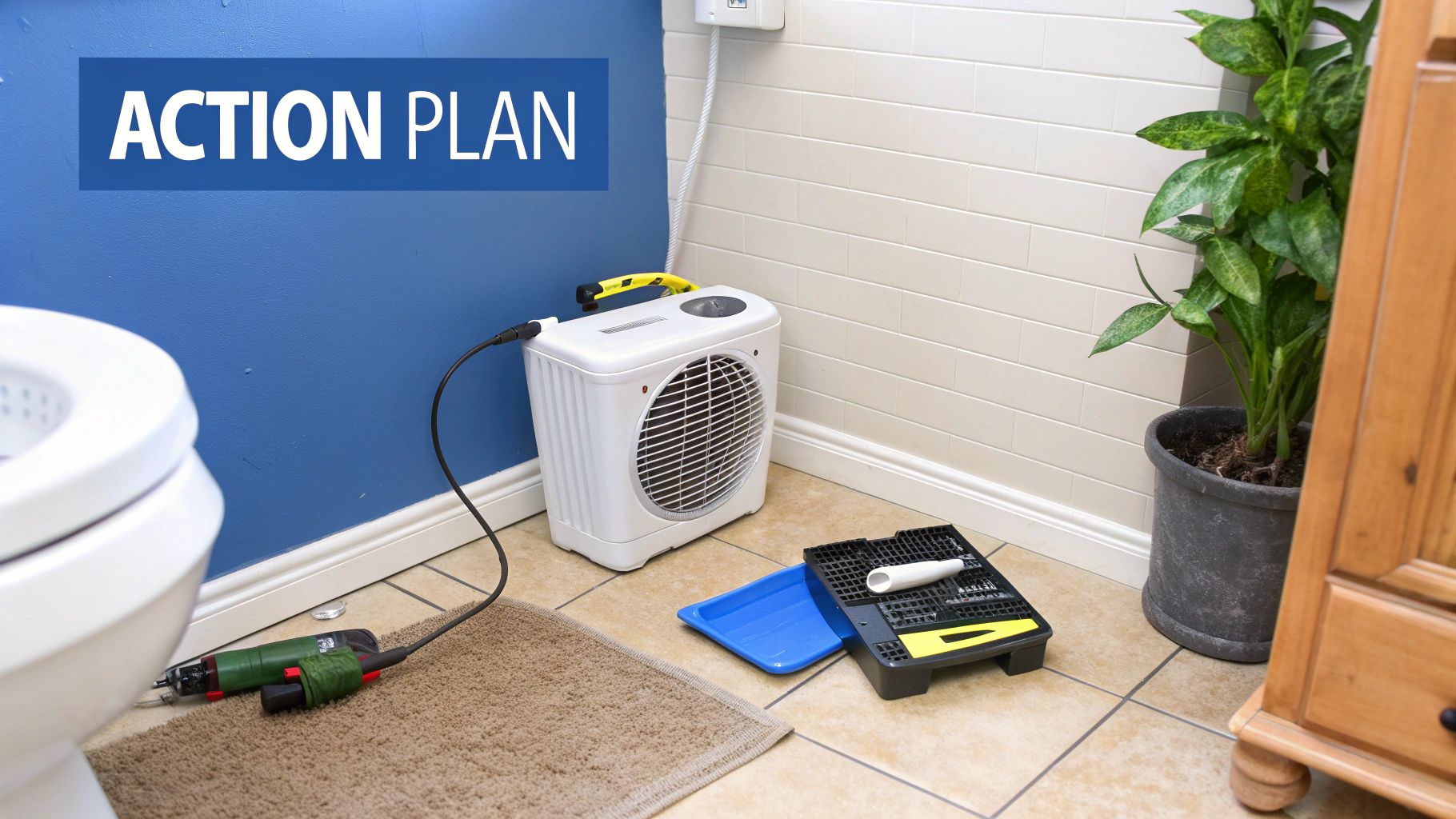
Knowing what a biological contaminant is gets you halfway there. The other half is taking decisive action. To truly protect your home and family, you need a strategy that covers both proactive prevention—stopping problems before they even start—and professional remediation to safely handle any existing threats.
Think of prevention as routine maintenance for your home’s long-term health. By getting a handle on the single most critical factor—moisture—you make your property a place where mold, bacteria, and other unwanted guests simply can't thrive.
Proactive Prevention Strategies
Your best defense is built on simple, consistent habits. Weaving these small steps into your daily and weekly routines can make a massive difference, dramatically cutting your risk of a serious contamination issue down the road.
Start with these key actions:
- Manage Indoor Humidity: Aim to keep your home’s humidity level between 30% and 50%. A good dehumidifier is a game-changer for naturally damp areas like basements and crawl spaces, especially during our wetter coastal seasons.
- Ensure Proper Ventilation: Always run exhaust fans in bathrooms during and after showers, and flip on the range hood when you're cooking. This simple act pushes moisture-filled air outside before it has a chance to settle and cause trouble.
- Fix Leaks Immediately: That tiny drip under the sink or a minor roof leak might seem harmless, but over time it can feed a colossal contamination problem. Tackle every water issue you find—no matter how small—as soon as you spot it.
Preventing a biological contaminant problem is always, without exception, easier and cheaper than fixing one. When you focus on controlling moisture, you're not just cleaning—you're cutting off the primary resource these organisms need to survive.
Want to fortify your home even further? We've put together a comprehensive guide on how to prevent mold growth that dives deeper into these tactics.
The Professional Remediation Process
When you're facing a significant contamination problem, trying to handle it yourself can backfire. It's surprisingly easy to disturb mold and accidentally spread spores to clean areas of your home, making the situation much worse.
Professional remediation isn't just cleaning; it's a systematic process designed to safely contain the problem, remove the source, and clean the affected area without cross-contaminating your home.
When professionals like our trusted partners step in, they follow a strict, non-negotiable protocol.
- Containment: The first step is to completely seal off the affected area from the rest of the house. This is done with plastic sheeting and specialized negative air pressure machines that ensure airborne spores can't escape the work zone.
- Removal of Affected Materials: Any porous materials that can't be salvaged—like contaminated drywall, insulation, or carpet—are carefully removed, bagged, and disposed of according to strict industry regulations.
- Thorough Cleaning: Hard, non-porous surfaces are cleaned with powerful antimicrobial agents. Finally, the entire contained area is meticulously vacuumed with HEPA filters to capture any microscopic particles left in the air or on surfaces.
This methodical approach is absolutely critical. It addresses both the mold you can see and the invisible airborne spores, restoring your home to a safe, healthy state. For anything beyond a small, contained spot, calling in the pros is the only way to guarantee the problem is solved at its root.
When to Call a Certified Inspector
While staying on top of things is your best defense against biological contaminants, some situations are just too big for a DIY approach. Knowing when to put down the cleaning supplies and pick up the phone to call a certified inspector is a crucial part of protecting your home and your family’s health.
Think of it this way: you wouldn't try to diagnose a complex medical issue yourself. A professional inspector is a specialist for your home, trained to find and diagnose problems that are hiding just out of sight. Guessing at the source can waste precious time and let the real issue get much worse. An expert brings certainty.
Clear Signals to Make the Call
Certain red flags should have you reaching for the phone right away. Don’t wait for these signs to get worse—catching them early almost always means a simpler, less expensive solution.
- Persistent Musty Odors: If you have a damp, earthy smell that just won't quit, no matter how much you clean or air out the place, it's a classic sign of hidden mold growth.
- Visible Growth: See any suspicious spots? It doesn't matter if it's a tiny patch or a big one, or what color it is. Any visible mold needs a professional assessment to figure out how far it's spread and where it's coming from.
- Unexplained Health Symptoms: Are family members suddenly dealing with worse allergies, asthma attacks, or other respiratory problems only when they're at home? Poor indoor air quality is a very likely culprit.
- After Water Damage: Anytime you’ve had a significant water event—a flood, a burst pipe, or even a slow, steady leak—an inspection is a must. You need to be 100% sure all the hidden moisture is gone before it has a chance to fuel a new mold problem.
A professional inspection is also a non-negotiable step during real estate transactions in Santa Barbara and Ventura Counties. It gives everyone involved peace of mind and protects what is likely your biggest investment.
Recognizing these triggers is the first step. To get a better feel for what a professional brings to the table, take a look at our guide on what is a mold inspection. It will show you the full value an expert delivers when it comes to safeguarding your home.
Got Questions? We've Got Answers.
Even after you get the basics down, it’s natural to have a few questions pop up. We hear them all the time from homeowners here in Santa Barbara and Ventura, so let's tackle some of the most common ones.
What Is the Difference Between Mold and Mildew?
Think of it like this: mildew is mold’s much less destructive cousin. Both are fungi that show up wherever there’s moisture, but they behave very differently.
Mildew is what you often see as a gray or white powdery film on the surface of shower tiles or window sills. It’s a surface-level problem that’s usually easy to wipe away.
Mold, on the other hand, is the real home invader. It often looks fuzzy or slimy and can be black, green, or a variety of other colors. The critical difference is that mold grows into materials like drywall and wood, causing rot and structural damage that you can't just clean off the surface. It also poses a much bigger threat to your health.
Can I Handle a Mold Problem Myself?
That really depends on the scale of the issue. If you’ve found a small patch of surface mildew—say, less than 10 square feet—on a hard, non-porous surface like bathroom tile, a DIY approach might be perfectly fine.
But if you're dealing with anything larger, or if you see mold on porous materials like drywall or wood, trying to scrub it yourself can backfire. You could accidentally release millions of invisible spores into the air, spreading the problem to other rooms in your house. For anything beyond a tiny surface issue, professional remediation isn't just a good idea; it's essential for containing the problem safely.
A professional inspection is your best first step. It determines the true scope of the contamination, ensuring you don’t underestimate a problem that could be much larger than what’s visible on the surface.
What Should I Expect from a Professional Inspection?
A certified inspector is basically a detective for your home’s health. They won't just look for visible signs of mold.
Our process involves a thorough visual assessment, using tools like moisture meters and thermal imaging cameras to hunt down hidden water sources that are feeding the growth. If needed, we can take air or surface samples to a lab for analysis. The goal is to figure out what kind of contamination you have, where it's hiding, and most importantly, why it started growing in the first place. From there, you get a clear, data-backed report with a straightforward plan to fix it for good.