At its core, what is thermal imaging used for boils down to a simple idea: seeing the unseen. This technology creates a “heat map” of your home, revealing subtle temperature differences that are completely invisible to the naked eye. More often than not, these temperature variations are the first clues to hidden problems lurking behind walls, under floors, or in ceilings.
Seeing the Unseen: How Thermal Imaging Works
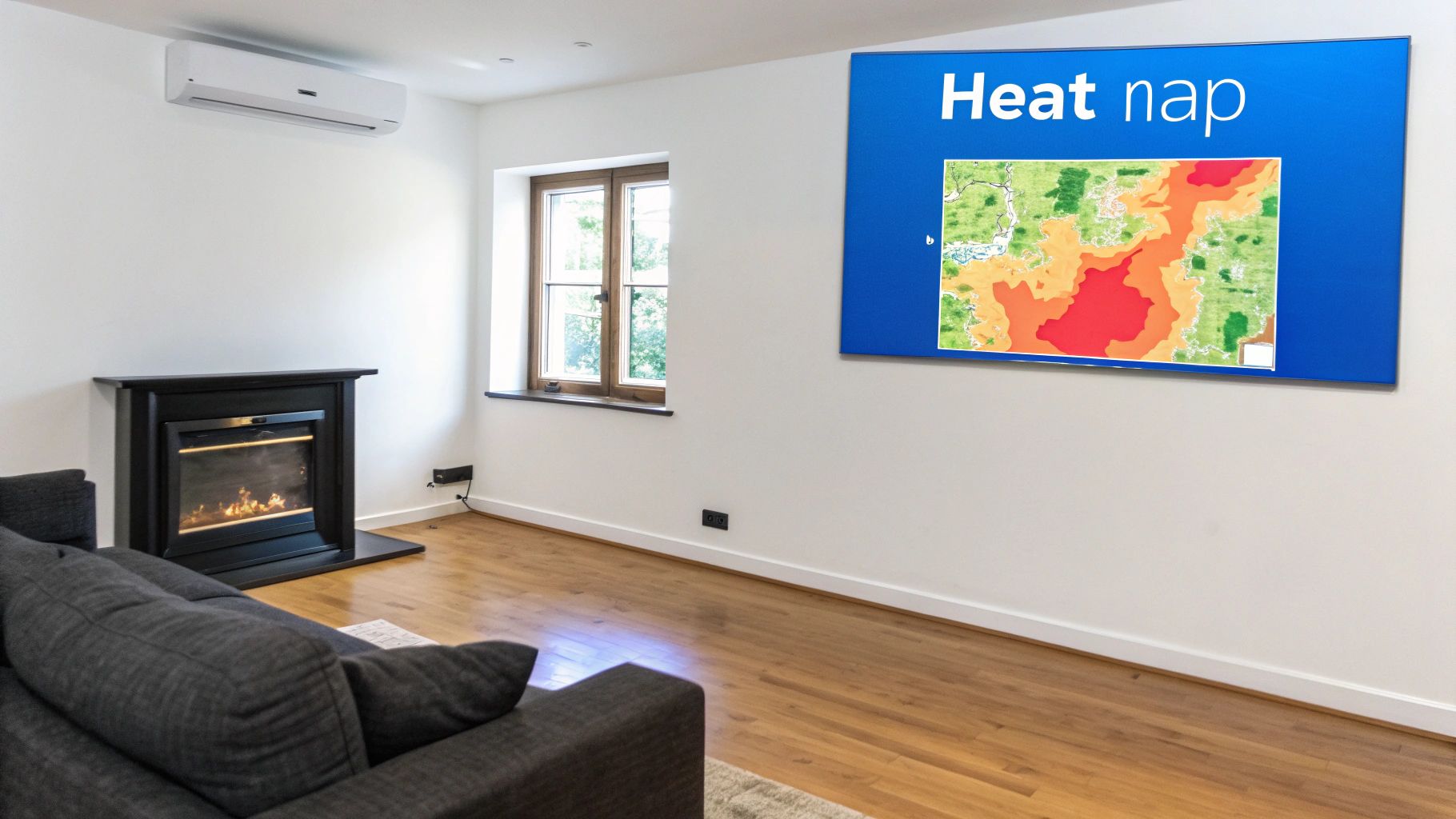
Think of a thermal imaging camera—also called an infrared (IR) camera—as a weather map for your house. Just as a meteorologist uses colors to show hot and cold fronts, a thermal camera displays a spectrum of colors to represent the surface temperatures of your walls, ceilings, and even electrical outlets.
Typically, warmer areas show up as reds, oranges, and yellows, while cooler spots appear as blues, purples, and blacks.
This ability to visualize heat makes thermal imaging an incredibly powerful—and non-invasive—diagnostic tool. A professional inspector can scan an entire room in minutes without drilling a single hole or tearing down drywall. It’s a fast, efficient way to gather critical data about a home's true condition.
Pinpointing Problems with Temperature Data
So, how does a simple color variation on a screen point to a serious problem? It’s all about spotting anomalies—areas that are unexpectedly hotter or colder than their surroundings.
These temperature differences are often the tell-tale signs of underlying issues. For instance, a cold, damp-looking blue patch on a ceiling could be the first warning of a slow roof leak, even if there’s no visible water stain yet. The moisture trapped inside the building material cools the surface through evaporation, making it stand out like a sore thumb on the thermal scan.
A thermal camera doesn't "see" moisture or mold directly. Instead, it detects the subtle temperature changes caused by moisture—which is the key ingredient for mold growth. This makes it an essential first step in any thorough mold investigation.
To help you visualize what we look for during an inspection, here’s a quick rundown of the common issues a thermal camera can bring to light.
| Key Problems Thermal Imaging Uncovers |
| :— | :— |
| Problem Area | What Thermal Imaging Reveals |
| Moisture & Leaks | Cold spots (blues/purples) from evaporation, indicating hidden leaks in walls, ceilings, or plumbing. |
| Insulation Gaps | Cold air drafts in winter (blue) or hot spots in summer (yellow/red) showing where insulation is missing or has settled. |
| HVAC Issues | Leaks in ductwork showing up as distinct hot or cold patterns around vents and along duct runs. |
| Electrical Hotspots | Overheating circuits, breakers, or outlets appearing as bright yellow or red spots, signaling a potential fire hazard. |
| Roof Leaks | Large, irregular cold patterns on ceilings after rainfall, pinpointing the location of water intrusion. |
| Pest Infestations | Unusual warm spots that could indicate nests of rodents or other pests creating heat behind walls. |
This proactive approach is what makes the technology so valuable. A professional armed with a thermal camera can help you find and fix these small issues before they escalate into costly, damaging disasters. The insights from a comprehensive thermal imaging house inspection provide a clear roadmap for targeted repairs, saving you time, money, and a whole lot of stress.
Finding Hidden Moisture and Mold Risks
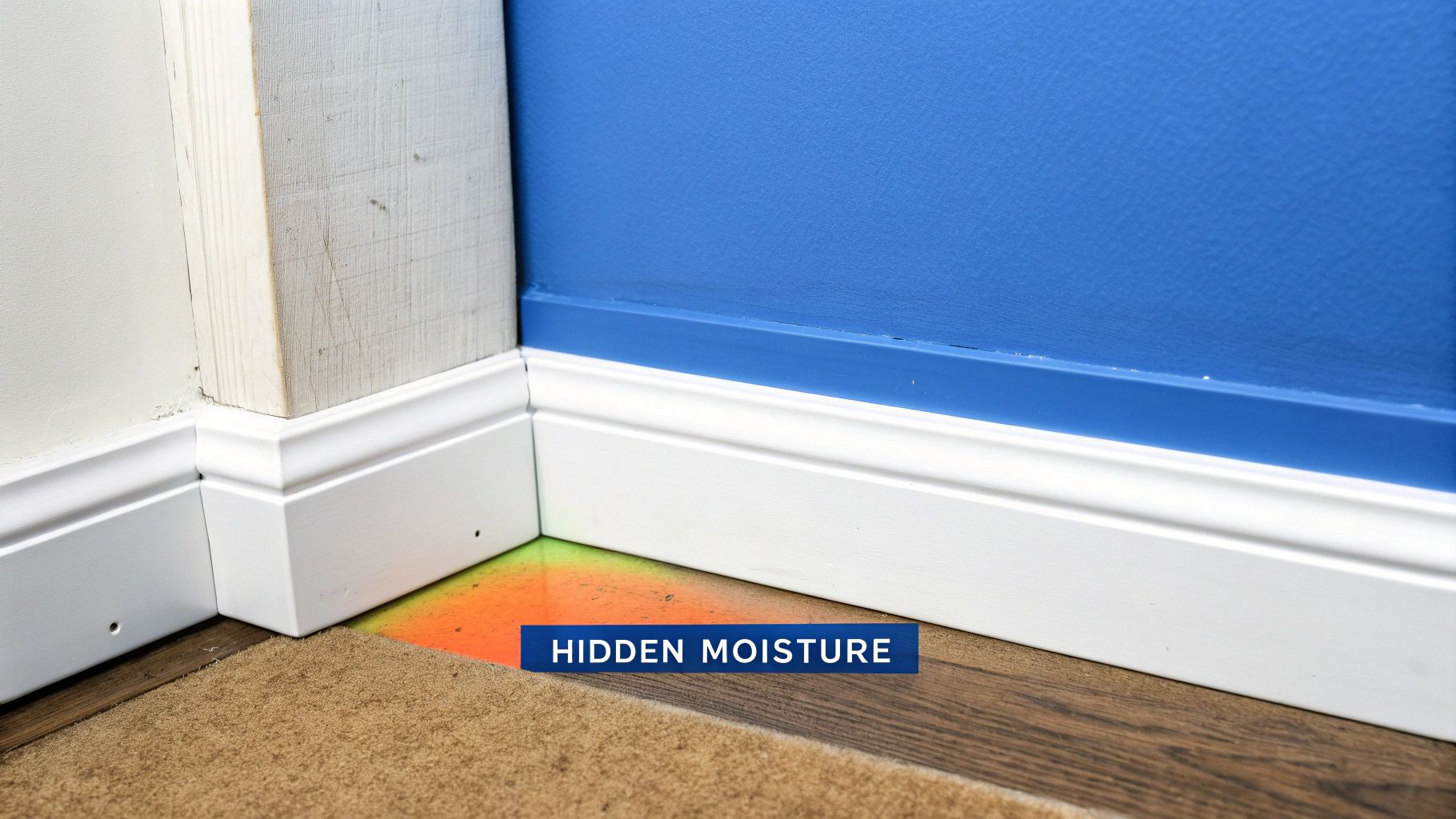
Of all the things a thermal camera can do, finding hidden moisture is probably the most important one for any homeowner. Water is the fuel for mold growth, and wherever it hides, you can bet that costly damage and health risks aren't far behind. Thermal imaging gives us a massive advantage by spotting the subtle clues of moisture long before you’d ever see them with the naked eye.
Think about water trapped behind a wall, under your floorboards, or soaked into the attic insulation. As that moisture evaporates, it creates a slight cooling effect on the surface. It’s the same principle as sweat cooling your skin on a hot day. A high-quality thermal camera is sensitive enough to pick up that tiny temperature drop, showing it as a cool, dark anomaly—usually a distinct blue or purple patch against the warmer, drier areas around it.
That tell-tale blue spot becomes our roadmap, pointing directly to a hidden problem. It could be a pipe with a slow drip inside a wall, a failing window seal, or water seeping in from a tiny roof leak. Without thermal imaging, problems like these can fester for months or even years, quietly saturating building materials and creating the perfect breeding ground for mold.
The Critical Window for Mold Prevention
The speed at which mold grows is frankly alarming. Thermal imaging is now a staple in modern mold inspections precisely because it helps us find moisture before that growth kicks off. Mold spores can spring to life in as little as 24 to 48 hours after finding a water source, making early detection absolutely vital.
This technology transforms our approach from reactive to proactive. Instead of waiting for a musty smell or a discolored stain to show up—signs that the problem is already well-established—we can find the source at its earliest stage. For homeowners, especially in coastal climates like Santa Barbara and Ventura, this early warning system is priceless.
From Thermal Anomaly to Confirmed Threat
Now, finding a cool spot with the camera is a huge first step, but it’s not the final diagnosis. A certified inspector knows that other things can create temperature differences, like a gap in insulation or even a metal stud in the wall. This is where real-world expertise makes all the difference.
A professional inspector never relies solely on the thermal image. They use it as a guide to know exactly where to investigate further with specialized tools, turning a suspicion into a confirmed finding without needless destruction.
The process is methodical and designed to get you clear answers:
- Scan and Identify: The inspector moves through the property, systematically scanning walls, ceilings, and floors for any temperature anomalies that hint at moisture.
- Confirm with a Moisture Meter: Once a suspicious cool spot is located, a non-invasive moisture meter is used right on that spot. This tool confirms whether elevated moisture is actually present inside the material.
- Trace the Source: With moisture confirmed, the inspector uses the data to trace it back to its origin—a leaky plumbing fixture, a compromised roof flashing, or an exterior drainage issue.
This systematic approach, blending advanced imaging with physical verification, is all about accuracy. It allows for targeted, precise repairs, preventing that small leak under your sink from becoming a massive remediation project. By understanding this process, you can see the true value of a professional inspection and learn more about how to detect mold in your home.
Boosting Home Comfort and Energy Efficiency

While spotting moisture is a key mission for us, another powerful answer to what is thermal imaging used for is making your home more energy-efficient and comfortable. If you’ve ever wondered why your energy bills are sky-high or why some rooms are always drafty, the culprit is often something you can't see. A thermal camera, however, makes these problems impossible to ignore.
Think of thermography as creating a "heat map" of your property. It instantly shows us where your expensive heated or cooled air is escaping and where the outside elements are sneaking in. It's like having X-ray vision to see exactly where insulation has settled or is completely missing inside your walls and attic.
These gaps in your home’s thermal envelope are the equivalent of leaving a window open all year long, forcing your HVAC system to work overtime just to keep up.
Pinpointing Costly Heat Loss and Air Leaks
During a winter inspection, we’ll see heat loss show up as bright yellow or red spots on the thermal image—a clear sign that warmth is bleeding right outside. In the summer, those same spots would be hot, showing where the sun is baking into your home.
This visual data is invaluable because it pinpoints the exact problem areas that are wasting money and making you uncomfortable. The most common culprits we find with a thermal camera include:
- Insulation Deficiencies: We can see precisely where insulation is missing, compressed, or was never installed correctly in walls, ceilings, and crawl spaces.
- Air Leakage Points: Drafts around windows, doors, electrical outlets, and recessed lighting are often major sources of energy loss, and they light up on our screen.
- Inefficient Windows and Doors: A thermal scan quickly reveals if window seals are failing or if a door isn’t properly weather-stripped, letting all that conditioned air slip away.
By visually mapping out these invisible energy drains, a thermographic inspection provides a clear, actionable plan to make your home more comfortable and significantly reduce your utility bills.
The Hidden Link Between Energy Waste and Mold
Energy inefficiency isn't just about your wallet; it’s also about your home's health. The very same air leaks that waste energy can also introduce humid, moist air into your building’s structure. When this damp air hits a cooler surface inside a wall cavity, condensation forms—creating the perfect breeding ground for mold.
This connection makes thermal imaging a critical dual-purpose tool. When we help you fix an insulation gap, you aren’t just lowering your energy bill; you're also shutting down a potential moisture problem before it starts. A well-insulated, airtight home is not only more efficient but also far more resilient against mold. Identifying these intertwined risks is a key part of a thorough preventative maintenance inspection.
A professional thermal scan takes the guesswork out of an energy audit. Proper insulation can prevent 20–30% of a home's energy waste, and our cameras create a precise map showing exactly where that heat is leaking. With a staggering 75% of U.S. homes built before 2000 having less-than-optimal insulation, the risk is huge, especially when you factor in California's coastal moisture. This non-invasive method gives us sharp, clear images that guide targeted, effective fixes.
Diagnosing HVAC, Plumbing, and Electrical Systems
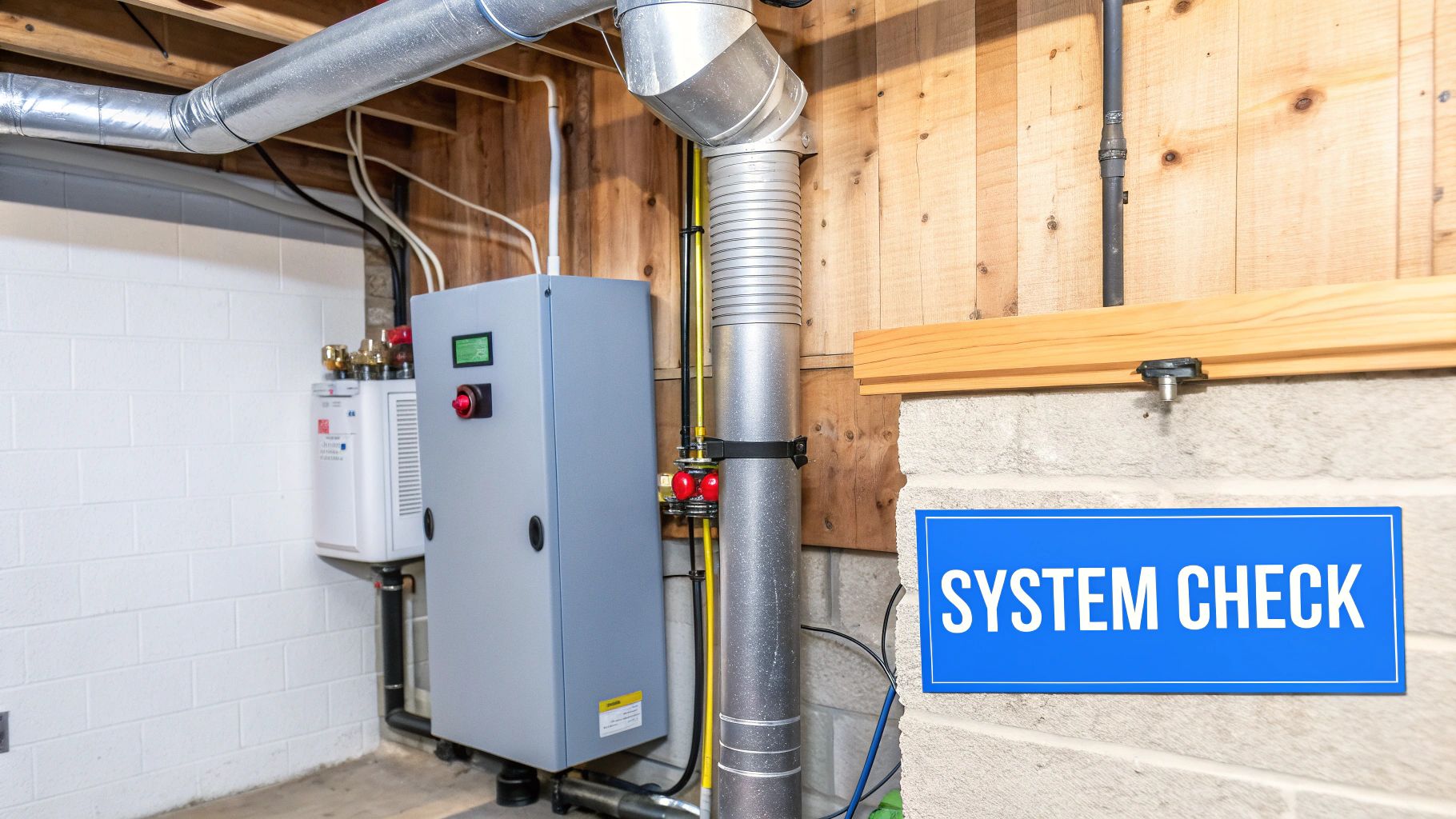
Beyond finding moisture and energy leaks, thermal imaging is an incredibly powerful diagnostic tool for your home's most essential systems. When people ask what is thermal imaging used for, its role in preventative maintenance for HVAC, plumbing, and electrical components is a key part of the answer.
These systems love to hide their problems behind walls or inside equipment casings. That makes thermal scans an invaluable way to spot trouble long before a catastrophic failure.
An inefficient HVAC system, for instance, can be a major source of sky-high utility bills and discomfort. Thermal imaging lets an inspector see the system's performance in real-time, identifying issues that are otherwise completely invisible. A quick scan tells us a lot about your system’s health, no guesswork needed.
Spotting Hidden System Faults
With a thermal camera, an inspector can easily pinpoint common but hidden issues that drag down performance and compromise safety. Each system gives off unique thermal signatures when problems pop up, allowing for a highly targeted diagnosis.
-
HVAC Systems: We can instantly spot blocked vents or registers that aren't pushing air correctly. More importantly, we can find leaky ductwork hidden away in attics or crawl spaces—they show up as clear hot or cold air patterns bleeding into areas they shouldn't be.
-
Plumbing Systems: A thermal scan traces the path of hot water pipes right through floors and walls. This is a game-changer for finding clogs, which often create a noticeable temperature shift, or locating the precise source of a leak without having to start tearing up your home.
-
Electrical Systems: Overheating electrical components are a serious fire hazard. A thermal camera makes these dangers stand out as bright, glowing hot spots. This lets us flag faulty breakers, overloaded circuits, or failing outlets before they have a chance to start a fire.
Electrical faults are a leading cause of residential fires, but they often give off a warning sign: excess heat. A thermal scan can detect an overheating connection that is just 1°C above its surroundings—a critical early warning that a visual-only inspection would absolutely miss.
A Proactive Approach to Home Safety
This ability to see heat anomalies transforms a standard home check into a proactive safety measure. Instead of just reacting to a burst pipe or a breaker that keeps tripping, you can get ahead of the problem and address the root cause while it’s still a minor fix.
An inspector uses thermal imaging to create a detailed health report of these core systems. By understanding the full scope of what a professional looks for, you can better appreciate the depth of a modern inspection and learn more about the crucial things to look for when inspecting a home to ensure nothing gets overlooked.
This preventative view saves homeowners a fortune in emergency repairs and provides priceless peace of mind, knowing your home's vital systems are running safely and efficiently.
Why Professional Interpretation Is Essential
A high-quality thermal camera is an impressive piece of technology, but it’s only half the equation. Handing one to an untrained user is like giving a medical stethoscope to someone and asking them to diagnose a heart condition. The real value isn’t in the tool itself, but in the certified expert’s ability to correctly interpret what the images actually mean.
The internet is full of "shocking" thermal images that are often completely normal. That's because so many things can create temperature differences that look like serious problems to an untrained eye. These "false positives" can lead to unnecessary panic and costly, misguided repairs. Without a deep understanding of building science, it's incredibly easy to misread the data.
Differentiating Anomalies from Normal Conditions
A professional inspector knows how to tell a genuine problem from a thermal ghost. They understand the common factors that can mimic the signs of moisture or energy loss, preventing a misdiagnosis.
Common sources of false positives include:
- Thermal Bridging: The wood or metal studs inside your walls are more conductive than the surrounding insulation. They will naturally show up as cooler vertical lines on a thermal scan, which someone might easily mistake for a hidden leak.
- Reflective Surfaces: Shiny surfaces like mirrors, polished tile, or even glossy paint can reflect the infrared energy from other objects. This creates confusing hot or cold spots that aren't actually on the surface being scanned.
- Air Currents: Even small drafts from under a door or around a vent can create cool patterns on nearby walls. To the camera, they can look suspiciously like moisture but are completely harmless.
An experienced thermographer doesn't just see colors; they see patterns. They combine the thermal data with a visual inspection and knowledge of your home’s construction to build an accurate picture of what’s truly happening.
Beyond the Scan: A Methodical Approach
A professional assessment is far more than just pointing a camera and taking pictures. The thermal scan is really just the first step—a way to create a map of potential trouble spots.
Each one of those spots must then be physically verified. For suspected moisture, this means using a calibrated moisture meter to confirm if the material is actually wet. This is non-negotiable.
This methodical process is what separates a guess from a diagnosis. A certified expert connects the thermal data with building science principles to provide actionable, accurate answers. That expertise is precisely what’s needed to turn a colorful image into a reliable plan for protecting your home. It’s a core component of our professional mold inspection services, ensuring you get clarity, not confusion.
Common Questions About Thermal Imaging Inspections
Even after seeing all the benefits, it's natural to have a few questions about how thermal imaging actually works when we show up at your door. Let's tackle some of the most common ones we hear from homeowners so you can feel completely confident in the process.
Is a Thermal Imaging Inspection Expensive?
While there's a professional fee, it’s best to think of a thermal inspection as an investment in your home's future. The cost is a drop in the bucket compared to the thousands of dollars you could spend on major mold remediation or repairing structural water damage that slipped past the naked eye.
Finding problems when they’re small and manageable almost always saves homeowners a ton of money and stress down the road. It’s a classic case of proactive care preventing a future catastrophe.
Is Thermal Imaging Safe for My Family and Pets?
Absolutely. Thermal imaging is a completely passive and non-invasive technology. The camera doesn't blast out any radiation, waves, or signals into your home.
It simply reads the infrared energy—or heat—that every object naturally gives off. This makes it as safe as taking a regular picture, and it's perfectly fine to use around kids, pets, or anyone with health sensitivities.
Think of it this way: The camera is only 'listening' for heat signatures; it isn't 'shouting' anything into your home. This passive approach ensures the inspection process is 100% safe and damage-free.
Can a Thermal Camera See Mold Through Walls?
This is a really common question, and the answer is key to understanding what we do. No, a thermal camera cannot "see" mold directly. Mold is a sneaky opponent, and it doesn't give off a heat signature we can pick up.
What the camera does see are the subtle temperature differences caused by moisture—the one thing mold absolutely needs to grow. An experienced inspector uses the camera to pinpoint these potential problem spots. From there, we use other tools like moisture meters to confirm that water is actually present and figure out if mold has started to grow.
It’s a critical first step, but it’s part of a much bigger investigation.