Selling your home is one of the biggest financial transactions you'll ever make, and a surprise-filled buyer's inspection can derail negotiations, slash your final price, or even kill the deal entirely. The key to a smooth, predictable, and profitable sale is proactive preparation. This comprehensive seller home inspection checklist is your strategic guide to identifying and addressing potential issues before they become costly negotiating points or buyer deterrents. By systematically reviewing your property’s condition, you transform from a reactive seller into a confident, prepared one.
This isn't just about tidying up; it's about a strategic pre-emptive strike. You gain the power to either fix problems on your own timeline and budget or to disclose them upfront, building trust and streamlining the entire sales process. This approach minimizes the leverage a buyer has during the crucial inspection contingency period, ensuring you maintain control over the negotiation and protect your home's value.
Our detailed checklist will guide you through the 8 critical areas a professional inspector will scrutinize, from the foundation to the roof and all the essential systems in between. We will break down what to look for, what documentation to gather, and how to distinguish between simple DIY fixes and complex issues that demand a professional assessment. Following this guide ensures you are fully prepared for inspection day, ready to attract serious offers and secure the best possible price for your home. You'll gain the confidence needed to list your property, knowing you've left no stone unturned.
1. Structural Integrity Assessment
The first and most crucial item on any seller home inspection checklist is a thorough evaluation of the home's structural integrity. This involves examining the foundation, framing, and load-bearing walls for any signs of compromise. Issues like significant cracks, settling, or water damage can be deal-breakers for potential buyers, as they often signal expensive and complex repairs. Addressing these concerns proactively not only protects your home's value but also demonstrates transparency and builds buyer confidence.
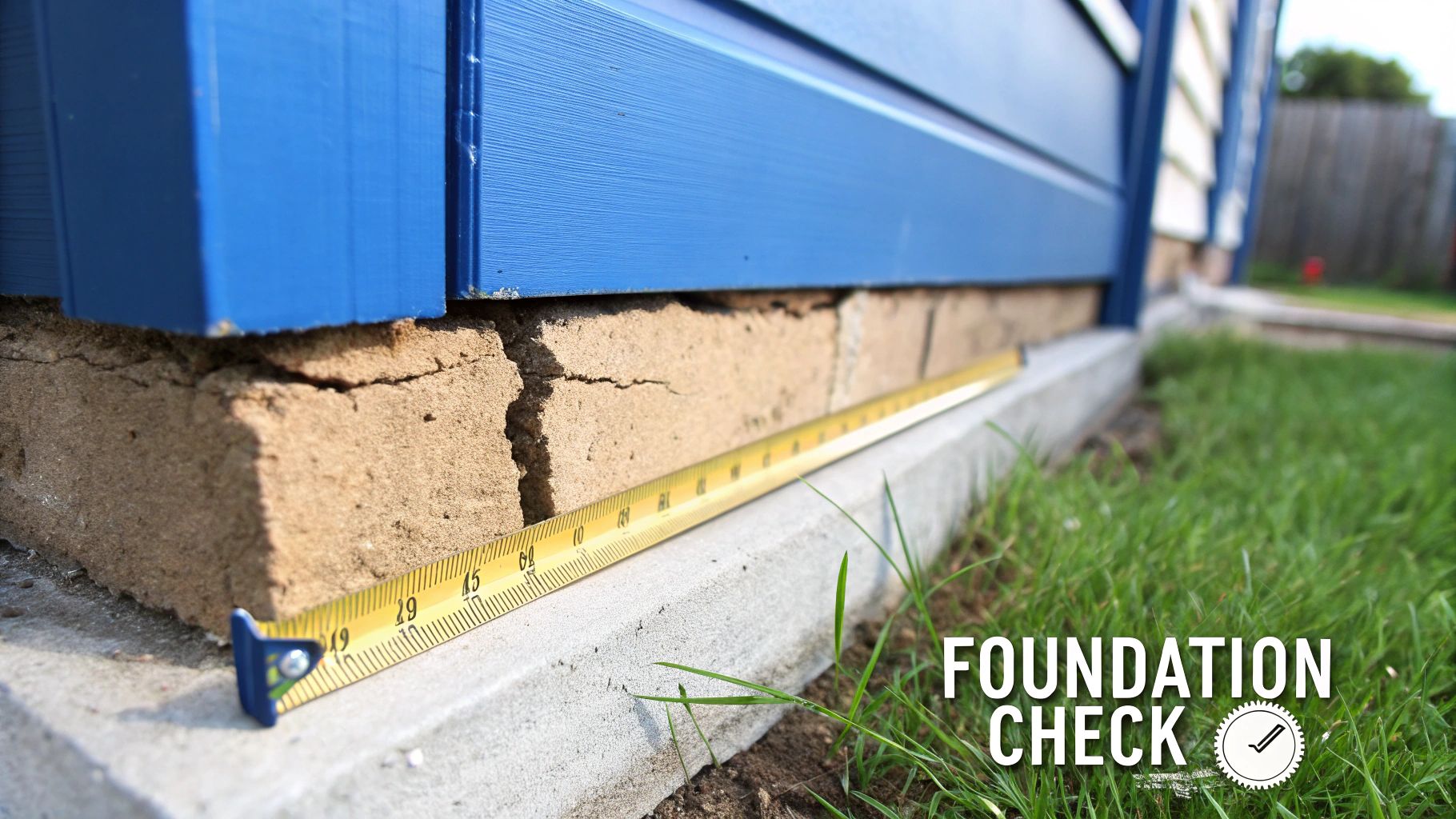
A professional structural assessment goes beyond a surface-level glance. It identifies the root cause of problems, which is essential for a permanent solution. For example, a homeowner in an area with expansive clay soil discovered hairline foundation cracks. Before listing, they hired an engineer who determined the cracks were from normal settling, not a major issue. They had the cracks professionally sealed with epoxy and provided the engineer's report to buyers, turning a potential red flag into a testament of diligent ownership.
When to Prioritize This Inspection
You should prioritize a structural assessment if you notice any of the following warning signs:
- Visible Cracks: Look for horizontal, vertical, or stair-step cracks in the foundation, basement walls, or exterior brickwork.
- Sticking Doors or Windows: Doors and windows that suddenly become difficult to open or close can indicate a shift in the home's frame.
- Uneven Floors: Sloping or sagging floors are a classic sign of foundational or support beam issues.
- Water Intrusion: Persistent moisture or water in the basement or crawlspace can weaken structural components over time. Advanced tools like those used in a thermal imaging inspection can help detect hidden moisture that contributes to structural degradation.
Actionable Steps for Sellers
To prepare for this part of the inspection, focus on documentation and professional evaluation.
Expert Insight: The American Society of Home Inspectors (ASHI) emphasizes that while a general inspector can flag potential structural concerns, only a licensed structural engineer can provide a definitive diagnosis and recommend a specific repair plan.
Start by hiring a qualified structural engineer for an unbiased opinion, especially if you have known issues. Document all past repairs with receipts and permits, as this provides a clear history for buyers. Finally, take clear, well-lit photos of your basement, foundation, and crawlspace to have on hand. This level of preparation shows you've done your due diligence and have nothing to hide.
2. Roof Condition and Age Verification
A home's roof is its primary defense against the elements, making its condition a top concern for buyers and a critical component of any seller home inspection checklist. A thorough roof inspection assesses the materials, flashing, gutters, and underlying structure to determine its remaining lifespan and identify potential issues. Since a full roof replacement can cost anywhere from $8,000 to over $25,000, any signs of significant wear or damage can become a major point of negotiation or even scuttle a deal.
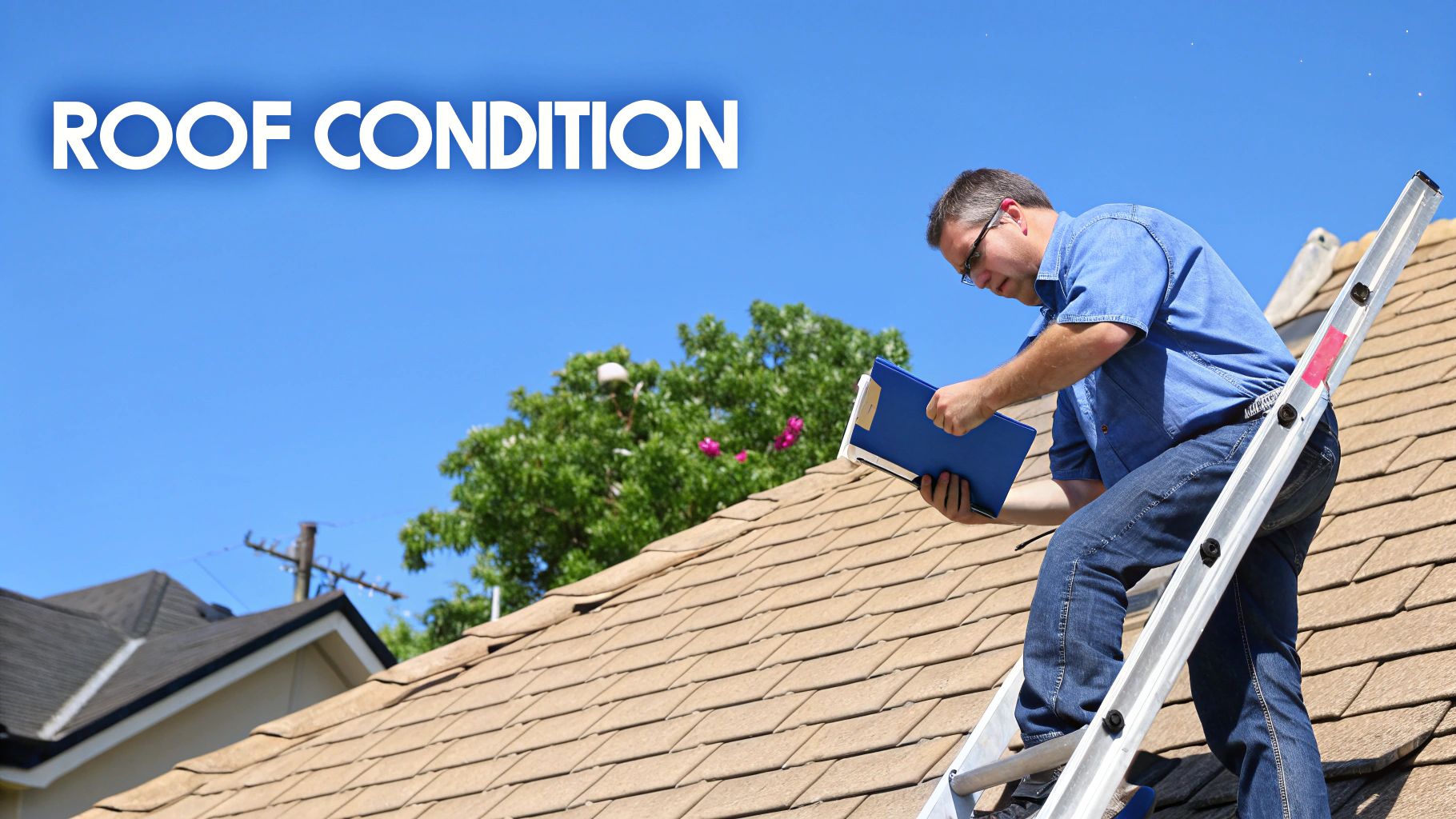
A proactive approach to roof assessment can significantly strengthen your negotiating position. Consider a seller who knew their 15-year-old asphalt shingle roof was nearing the end of its typical lifespan. Before listing, they hired a certified roofer who confirmed the roof had another 3-5 years of life but noted some curled shingles and damaged flashing. The seller invested a small amount to repair these minor issues and provided the roofer's detailed report to prospective buyers, successfully preventing a lowball offer based on the roof's age.
When to Prioritize This Inspection
You should prioritize a professional roof evaluation well before listing, especially if you observe these red flags:
- Visible Shingle Damage: Look for shingles that are cracked, curled, cupping, or missing granules, which often collect in gutters.
- Leaks or Water Stains: Check the attic and top-floor ceilings for any signs of water intrusion, discoloration, or dampness after rain.
- Sagging Roof Deck: A sagging or drooping appearance when viewed from the street can indicate serious underlying structural problems.
- Age of the Roof: If your roof is over 15-20 years old, buyers and their lenders will scrutinize its condition very closely.
Actionable Steps for Sellers
Preparation for the roof inspection centers on clear documentation and professional validation.
Expert Insight: The National Roofing Contractors Association (NRCA) advises that while a visual inspection from the ground is helpful, only a professional can safely assess the entire roofing system, including flashing, underlayment, and ventilation, which are crucial for longevity.
Start by gathering all relevant paperwork, including the original installation receipt, any transferable warranty information, and permits pulled for the work. If you have any doubts about its condition, hire a licensed and insured roofing contractor to provide a written assessment or "roof certification." This document provides buyers with an expert opinion on the roof's current state and expected lifespan, turning a potential liability into a well-documented asset.
3. HVAC System Performance Testing
A home’s heating, ventilation, and air conditioning (HVAC) system is a high-priority item on any seller home inspection checklist. Often the most expensive mechanical system in a home, its performance is critical for buyer comfort, energy efficiency, and overall satisfaction. A poorly maintained or aging system can be a major negotiation point, potentially costing you thousands in concessions or even derailing a sale. Ensuring your HVAC is in peak condition provides peace of mind and strengthens your home's marketability.

A thorough performance test goes beyond simply turning the system on and off. It involves checking refrigerant levels, cleaning coils, inspecting ductwork, and verifying the thermostat's accuracy. A seller in a competitive market recently had their 12-year-old HVAC system professionally serviced and tuned up before listing. They provided the technician's detailed report, showing optimal performance and efficiency, which helped justify their asking price and distinguished their property from others with older, unverified systems.
When to Prioritize This Inspection
You should prioritize an HVAC inspection, especially if your system meets any of these criteria:
- Age: The system is over 10-15 years old, which is nearing the end of a typical lifespan for furnaces and air conditioners.
- Inconsistent Performance: You notice uneven heating or cooling between rooms, or the system struggles to maintain the set temperature.
- Unusual Noises or Odors: Banging, grinding, or musty smells when the system runs are clear indicators of underlying mechanical or cleanliness issues.
- Rising Energy Bills: A sudden or steady increase in your utility costs can signal a decline in the system's efficiency. Regular checks are a key part of any preventative maintenance inspection to catch these issues early.
Actionable Steps for Sellers
Proactive maintenance and transparent documentation are your best strategies for the HVAC portion of the inspection.
Expert Insight: According to the American Society of Heating, Refrigerating and Air-Conditioning Engineers (ASHRAE), regular professional maintenance can improve an HVAC system's efficiency by up to 25% and significantly extend its operational life.
Begin by scheduling a professional HVAC service and tune-up at least two to three weeks before listing. Gather and organize all maintenance records from the past five years, including receipts for repairs and filter changes. Finally, clearly document the system's specifications, including the model, serial number, and age, and make this information easily accessible to potential buyers and their inspectors.
4. Plumbing System Evaluation
The plumbing system is the circulatory system of a home, and any issues can cause major headaches for new owners. A comprehensive plumbing evaluation on your seller home inspection checklist is non-negotiable. This inspection covers water supply lines, drainage systems, fixtures, and the water heater, searching for leaks, corrosion, low pressure, and blockages. Plumbing problems are frequent inspection findings that can quickly derail a sale or lead to costly repair requests.
Proactively addressing plumbing can be a powerful marketing tool. For instance, a seller with an older home invested in a full PEX repipe before listing. They marketed the property as "fully modernized with updated plumbing," providing peace of mind to buyers and justifying a higher asking price. Similarly, disclosing a recent professional sewer line replacement with documentation can turn a potential buyer concern into a major selling point.
When to Prioritize This Inspection
A detailed plumbing review is essential for all sellers, but particularly if you notice these signs:
- Low Water Pressure: If running a shower and a sink simultaneously causes a significant drop in pressure, it could signal pipe blockages or corrosion.
- Slow Drains: Drains that gurgle or drain slowly may indicate a partial clog that could worsen.
- Visible Corrosion or Stains: Check visible pipes under sinks and in the basement for green or white corrosion. Water stains on ceilings or walls are immediate red flags.
- Aging Water Heater: A water heater that is over 10-12 years old is approaching the end of its typical lifespan and will be scrutinized by inspectors.
- Older Home: If your home was built before 1980, it may have outdated or problematic pipe materials like galvanized steel or cast iron, making a sewer scope inspection a wise investment.
Actionable Steps for Sellers
Get ahead of potential issues with a focused, hands-on approach to your plumbing system.
Expert Insight: According to the American Society of Plumbing Engineers (ASPE), minor drips can waste thousands of gallons of water per year, and inspectors will flag them as evidence of deferred maintenance. Fixing a leaky faucet is a small repair that makes a big impression.
Before listing, hire a licensed plumber for a dedicated inspection, including a sewer scope for older homes. Document the age and service history of your water heater, which can be found on its nameplate. Repair minor issues like dripping faucets, running toilets, and recaulk tubs and showers. Finally, check for and repair any signs of past leaks under sinks or around toilets to present a clean, well-maintained system to buyers.
5. Electrical System Safety Inspection
A comprehensive assessment of the home's electrical system is a non-negotiable part of any seller home inspection checklist. This inspection covers the electrical panel, wiring, outlets, switches, and grounding to identify safety hazards, code violations, or inadequate capacity. Significant electrical deficiencies are major red flags for buyers because they pose serious fire and safety risks and can make a property difficult to insure or finance.
Addressing electrical issues upfront can be a powerful marketing tool. For instance, a seller with an older home might discover outdated and dangerous knob-and-tube wiring during their pre-inspection. Instead of hiding it, they could have the home professionally rewired to meet modern codes. They can then market the property as having a "completely updated and safe electrical system," turning a major liability into a key selling feature that justifies a higher asking price.
When to Prioritize This Inspection
An electrical system review is critical, but you should prioritize it if you encounter these specific signs:
- Frequent Breaker Trips: Circuit breakers that trip often signal that a circuit is overloaded or has a more serious fault.
- Flickering or Dimming Lights: This can indicate loose wiring or a problem with the main electrical service.
- Outdated Components: Look for two-prong outlets, a fuse box instead of a breaker panel, or visible knob-and-tube wiring.
- Unpermitted Work: If you or a previous owner completed electrical work without proper permits, it needs professional validation.
Actionable Steps for Sellers
To prepare, focus on safety, compliance, and transparent documentation.
Expert Insight: The National Electrical Contractors Association (NECA) warns that even minor-seeming issues like a "double-tapped" breaker, where two wires are connected to a single circuit breaker, are code violations that can lead to overheating and create a significant fire hazard.
Start by hiring a licensed electrician, not just a general inspector, to perform a detailed audit of your system. Ensure Ground Fault Circuit Interrupter (GFCI) outlets are installed in all required areas, such as kitchens, bathrooms, and garages. Gather all permits and receipts for any past electrical work, especially major upgrades like a new 200-amp panel. Addressing any identified code violations before listing your home prevents last-minute negotiation headaches and demonstrates a commitment to safety.
6. Water Damage and Moisture Detection
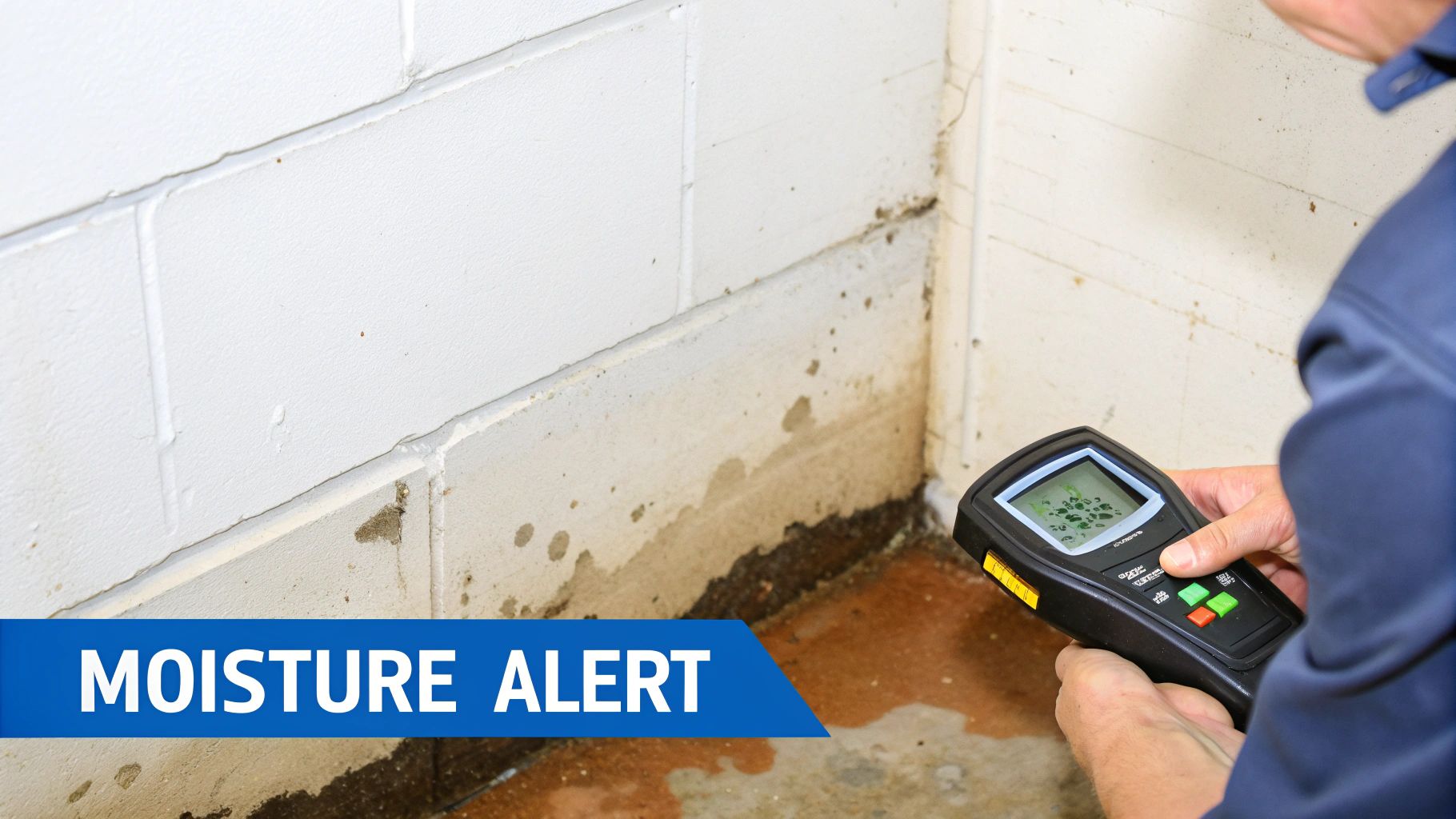
Identifying and addressing water intrusion is a critical component of any pre-sale preparation. This part of the seller home inspection checklist focuses on a systematic search for signs of past or present leaks, moisture buildup, and resulting damage like mold. Water issues are notorious red flags for buyers, often suggesting deeper problems with the roof, plumbing, or foundation that can lead to costly structural and environmental health concerns.
A comprehensive moisture assessment is about proving a home is dry and secure. It’s not just about fixing a leak; it's about eliminating the source and repairing the damage. For instance, a homeowner in a coastal area noticed a persistent musty smell in their basement. Before listing, they installed a high-capacity dehumidifier and a sump pump. They also had the exterior grade corrected and installed a French drain. By marketing the basement as "professionally waterproofed and moisture-controlled," they transformed a major liability into a key selling feature.
When to Prioritize This Inspection
Proactive moisture detection is crucial if you encounter any of these common indicators:
- Musty Odors: A persistent damp or earthy smell, especially in basements, attics, or under sinks, often indicates hidden mold growth.
- Visible Stains or Discoloration: Look for yellow or brown stains on ceilings, walls, or floors, which are telltale signs of water intrusion.
- Peeling Paint or Wallpaper: Moisture seeping through walls can cause paint to bubble, crack, or peel.
- Warped or Swollen Materials: Check for warped wood flooring, swollen drywall, or buckled baseboards. You can explore a detailed guide to recognize the common signs of water damage in walls.
Actionable Steps for Sellers
To prepare, focus on prevention, detection, and remediation.
Expert Insight: According to the Environmental Protection Agency (EPA), controlling moisture is the most critical step in preventing mold. Any water-damaged materials should be dried within 24-48 hours to prevent mold from developing.
Start by inspecting your property during and after a heavy rainstorm to see how water behaves around your foundation. Ensure your soil is graded to slope away from the house and that gutters and downspouts discharge water at least four to six feet away. Use a moisture meter to check suspicious areas for hidden dampness. If you find active leaks, repair them immediately. If moisture has been a long-term issue, consider a professional mold inspection to ensure the indoor environment is healthy before listing.
7. Interior Cosmetic and Functional Assessment
Beyond the major systems, the interior cosmetic and functional condition of your home plays a massive role in a buyer's first impression. This part of your seller home inspection checklist involves evaluating finishes, fixtures, appliances, flooring, and paint. While many cosmetic issues are minor, a collection of small problems can create the perception of a poorly maintained property, potentially leading to lower offers or deterring buyers altogether.
A well-presented interior can significantly boost your home's perceived value. For instance, a seller with a dated but functional kitchen spent a small amount on new cabinet hardware, a modern faucet, and fresh paint. These simple, high-impact updates made the space feel more current and appealing, contributing to a quicker sale at a higher price point than comparable homes with untouched interiors. This proves that strategic cosmetic improvements offer a substantial return on investment.
When to Prioritize This Inspection
Focus on a detailed interior assessment as you prepare to list your home, paying special attention to these common red flags:
- Worn or Damaged Surfaces: Scuffed walls, chipped paint, stained carpets, and scratched flooring are immediately noticeable to buyers.
- Outdated Fixtures: Dated light fixtures, faucets, and cabinet hardware can make an entire room feel old, even if other elements are in good shape.
- Non-Functional Elements: Burned-out lightbulbs, sticky doors, broken cabinet hinges, and leaky faucets signal neglect.
- Lingering Odors: Unpleasant smells from pets, smoke, or cooking can be a major turn-off. Sometimes, persistent odors are a sign of underlying issues, so it's important to understand what causes that musty smell in your house before buyers do.
Actionable Steps for Sellers
To enhance your home's interior appeal, prioritize high-impact, low-cost improvements.
Expert Insight: According to the National Association of Realtors, a fresh coat of neutral-colored paint and professionally cleaned carpets are two of the most cost-effective pre-sale improvements a homeowner can make, often yielding a return of over 100%.
Start by deep cleaning the entire home. Repair or replace any broken or non-functional items, from loose doorknobs to malfunctioning appliances. Consider applying a fresh coat of neutral paint to create a bright, clean slate for potential buyers. Finally, update small details like light fixtures, switch plates, and cabinet pulls to give rooms a modern lift without the cost of a full renovation.
8. Pest and Termite Inspection Verification
A crucial element of any comprehensive seller home inspection checklist is a professional evaluation for pests, particularly wood-destroying organisms like termites. An unseen infestation can cause significant structural damage, leading to costly repairs and potentially derailing a sale. Securing a clean pest report before listing your home provides buyers with critical peace of mind and demonstrates your commitment to maintaining the property's health and integrity.
A licensed pest control company will conduct a thorough search for evidence of current or past activity, from termite shelter tubes to rodent droppings. For instance, a seller in a humid region discovered signs of old, inactive termite damage in their crawlspace. They had the area professionally treated, the minor wood damage repaired, and obtained a "termite clearance letter" from the pest control company. Presenting this documentation upfront transformed a potential deal-breaker into a non-issue for buyers.
When to Prioritize This Inspection
You should schedule a professional pest inspection, especially if you observe these red flags:
- Visible Damage: Look for small holes in drywall, crumbling wood, or sagging floors.
- Pest Evidence: Keep an eye out for discarded insect wings, rodent droppings, or mud tubes on the foundation.
- Moisture Issues: Pests are drawn to moisture. Areas with known leaks or high humidity are prime targets.
- Unusual Noises: Quiet clicking or rustling sounds coming from within the walls can indicate an active infestation. Comprehensive house environmental testing can also identify moisture conditions that attract pests.
Actionable Steps for Sellers
Proactive measures and transparent documentation are key to passing this inspection with flying colors.
Expert Insight: The National Pest Management Association (NPMA) reports that termites alone cause over $5 billion in property damage each year, most of which is not covered by standard homeowners insurance, making a pre-sale inspection vital.
Begin by hiring a licensed and reputable pest control inspector to get an official report. If treatment is needed, complete it and keep all receipts and service agreements. Clear any wood, debris, or overgrown vegetation from contact with your home's foundation to eliminate potential entry points. Having all records, including any ongoing service plans or termite bonds, available for buyers will streamline the process and reinforce their confidence in your home.
8-Point Seller Inspection Comparison
| Inspection | 🔄 Implementation Complexity | ⚡ Resource Requirements | ⭐ Expected Effectiveness | 📊 Expected Outcomes | 💡 Ideal Use Cases / Tips |
|---|---|---|---|---|---|
| Structural Integrity Assessment | High — requires licensed structural engineer and potential invasive checks | Engineer, structural testing/measurements, possible lab or reinforcement work; potentially high cost | ⭐⭐⭐⭐⭐ | Identifies major safety/structural defects and costly repairs; strong negotiating leverage | Hire a licensed structural engineer; document repairs/permits and photograph foundation/crawlspace |
| Roof Condition and Age Verification | Medium — visual + attic inspection; weather-dependent | Roofer or inspector, ladder/boots, attic access; inspection $300–$500 | ⭐⭐⭐⭐ | Determines remaining lifespan, warranty status; can trigger price reductions or pre-sale replacement | Obtain receipts/warranties, consider high-ROI pre-sale repairs, document from ground and attic |
| HVAC System Performance Testing | Medium — mechanical testing and runtime verification | HVAC technician, gauges, thermostat checks; inspection/tune-up $100–$200 | ⭐⭐⭐⭐ | Confirms functionality and efficiency; informs buyer budgeting for repair/replacement | Schedule inspection 2–3 weeks before listing; gather service records and perform tune-up |
| Plumbing System Evaluation | Medium–High — may require pressure tests, access to drains/sewer | Plumber, pressure tests, drain/sewer scope if needed; $150–$300 | ⭐⭐⭐⭐ | Detects leaks, corrosion, and sewer issues; can reveal expensive hidden repairs | Run all fixtures, check water heater nameplate, get sewer scope for older homes |
| Electrical System Safety Inspection | High — specialist testing, possible panel work or rewiring | Licensed electrician, multimeter/testing gear; inspection $200–$400 | ⭐⭐⭐⭐⭐ | Identifies fire/code hazards and capacity issues; can affect insurability/mortgageability | Hire licensed electrician, obtain permits/receipts, address GFCI/AFCI and unpermitted work pre-sale |
| Water Damage and Moisture Detection | Medium — visual + moisture meter; best after rain | Moisture meter, inspector, possible infrared/moisture mapping; $300–$500 | ⭐⭐⭐⭐ | Reveals intrusion, mold risk, and drainage problems; remediation can be costly | Inspect during/after rain, grade soil away from foundation, ensure gutters direct water away |
| Interior Cosmetic and Functional Assessment | Low — surface-level fixes and functional checks | Contractor/DIY supplies for paint, flooring, appliances; $500–$3,000 (scope-dependent) | ⭐⭐⭐ | Improves buyer perception and marketability; high ROI for small fixes | Prioritize fresh neutral paint, clean carpets, repair appliances and fixtures |
| Pest and Termite Inspection Verification | Low–Medium — visual inspection; may require treatment | Licensed pest contractor, termite probes, possible fumigation/treatment; $150–$250 | ⭐⭐⭐⭐ | Confirms infestations or clearance; termite damage may require significant repairs | Hire licensed pest inspector, obtain treatment/clearance records, eliminate wood‑soil contact and moisture sources |
From Checklist to Closing Day: Your Final Steps to Success
Completing a comprehensive pre-sale inspection isn't just about ticking boxes; it's a strategic investment in the value and marketability of your home. By diligently working through this detailed seller home inspection checklist, you have moved from a reactive position of waiting for a buyer's inspector to find problems to a proactive one of presenting a well-maintained, transparently documented property. This shift in approach is what separates a stressful, negotiation-heavy transaction from a smooth, confident, and profitable sale.
You've methodically assessed everything from the structural integrity of your foundation to the operational efficiency of your HVAC system. You've scrutinized your roof, evaluated your plumbing and electrical systems, and meticulously checked for the subtle yet significant signs of moisture intrusion. This deep dive into your home's health allows you to address issues on your own terms, on your own timeline, and within your own budget, effectively neutralizing potential deal-breakers before they ever surface.
The Power of Preparation and Documentation
The true value of this process extends beyond the physical repairs. It culminates in your ability to present a complete narrative of your home's condition, backed by credible evidence. As you prepare for showings and offers, your final, critical step is to consolidate your efforts into a powerful tool: a comprehensive "Home Binder."
This binder should contain:
- Repair Invoices and Receipts: Proof of all professional work completed, from the new water heater to the serviced HVAC unit.
- Appliance Manuals and Warranties: Transferable warranties for newer appliances are a significant selling point.
- Professional Inspection Reports: Include reports from any specialists you hired, such as a roofer, electrician, or a mold inspector.
- Maintenance Logs: A simple log showing regular tasks like changing HVAC filters or cleaning gutters demonstrates consistent upkeep.
Presenting this binder to serious buyers is a masterstroke of transparency. It builds immediate trust, minimizes buyer apprehension, and justifies your asking price with tangible proof of care and investment. It says, "This home has been meticulously cared for, and we have the records to prove it."
Addressing the Unseen: The Critical Role of a Mold Assessment
Throughout this checklist, we've repeatedly emphasized the importance of identifying signs of moisture, water damage, and musty odors. These are often the canary in the coal mine for a more significant, underlying issue: mold. For homes in coastal California communities like Santa Barbara and Ventura, where the marine layer and humidity can create ideal conditions for mold growth, this is a non-negotiable aspect of your pre-sale diligence.
Key Insight: A buyer's home inspector will flag any visual sign or scent of potential mold. Leaving this discovery to them introduces uncertainty and fear at a critical moment, often leading to inflated repair requests or even a cancelled contract.
By commissioning a professional pre-sale mold inspection, you seize control of the narrative. A clean report provides invaluable peace of mind for both you and your potential buyers, effectively becoming a certificate of health for your home. If an issue is found, you can obtain a clear, professional remediation plan and quotes, presenting a known, manageable solution rather than an unknown, scary problem.
For homeowners in the Santa Barbara and Ventura County areas, partnering with a certified specialist is paramount. The team at Pacific Mold Pros offers targeted, science-backed inspections that can definitively assess your property's condition. Their expertise provides the clarity needed to ensure your home is presented in its best, healthiest light. Don't let a hidden issue derail your sale; contact them at (805) 232-3475 for expert guidance.
Your Final Advantage in the Market
Ultimately, navigating the seller home inspection checklist is about more than just passing an inspection. It's about maximizing your home's appeal, protecting its value, and engineering a seamless path to the closing table. You've invested time, effort, and resources into making your property a standout offering. Now, by documenting your work and proactively addressing any final concerns, you are fully equipped to enter the market with confidence, knowing you've done everything possible to secure a successful and lucrative sale. Your preparation is your greatest asset.